
What Are The Symptoms Of Alzheimer’s In Utah Seniors?
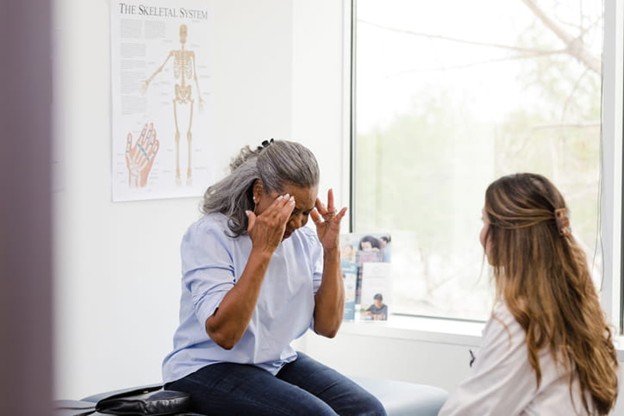
Alzheimer’s disease affects more than seven million people in the U.S; one out of every nine adults who are 65 or older has been diagnosed with this disease. Due to the aging population, it’s expected that the number of people diagnosed with Alzheimer’s in the U.S. will increase to almost 13 million by 2050.
Learning about the symptoms of Alzheimer’s disease can help you take action when you or a loved one begins to show symptoms, ensuring you receive appropriate treatment and care.
Common Symptoms Of Alzheimer’s
Knowing what the symptoms of Alzheimer’s disease are can help you spot early symptoms in yourself or loved ones. Early intervention is crucial because early treatment can help slow the disease’s progression.
Early Signs
Early symptoms of Alzheimer’s include the following:
- Confused thinking
- Difficulty planning
- Difficulty recalling words
- Difficulty solving problems
- Inability to recall recent events
- Issues with spatial relationships
- Issues with vision
- Misplacing things
- Poor judgment
- Social isolation
Behavior Changes
Individuals with Alzheimer’s often experience behavioral changes in the early stages of the disease.
Common symptoms include:
- Anxiety
- Apathy
- Depression
- Impulsive actions
- Irritability
- Social withdrawal
- Suspiciousness
Alzheimer’s can also cause people to withdraw from others and suspect others of bad intentions or behavior. Impulsive actions can stem from poor judgment as cognitive abilities decline.
Memory Loss
Some memory loss is a regular part of aging. However, age-related memory loss typically equates to occasionally forgetting something, like where you put your glasses this morning, or getting lost in an unfamiliar place.
The memory loss stemming from Alzheimer’s is memory loss that disrupts daily life. This type of memory loss can involve forgetting how to perform routine tasks, continuously forgetting important information, or getting lost in a familiar place.
Risk Factors
The following are some of the factors that increase the risk of Alzheimer’s disease:
- Age: As people age, their risk of getting Alzheimer’s increases.
- Down syndrome: Alzheimer’s is common among those with Down syndrome.
- Gender: The risk of developing Alzheimer’s disease is higher for women.
- Genetics: You have a greater risk if a primary family member gets Alzheimer’s.
- Head injury or mild cognitive impairment: The risk of Alzheimer’s is higher for those who’ve suffered traumatic brain injuries or have mild cognitive impairments.
When Should Families Seek Help?
Without appropriate treatment, individuals with Alzheimer’s will experience the following:
- Accelerated cognitive decline
- Difficulty communicating
- Frequent behavioral issues
- Loss of ability to perform daily tasks
- Severe memory loss
The memory loss and inability to perform daily tasks ultimately lead to a loss of motor skills. Combined, these accelerated symptoms prevent individuals from living independently.
Ideally, family members will recognize potential symptoms early and seek prompt diagnosis and treatment. Since early intervention delays the progression of the disease, individuals with Alzheimer’s who receive early treatment can retain their memories, abilities, and independence longer.
How Do Skilled Nursing Facilities Help Individuals With Alzheimer’s?
Skilled nursing facilities provide safe, structured environments, where residents receive personalized care related to their needs and treatment goals.
One way skilled nursing facilities help individuals is mitigating risk factors. Manageable risk factors include the following:
- Excessive consumption of alcohol: Skilled nursing facilities mitigate this risk factor by promoting a healthy diet and helping residents reduce or eliminate alcohol consumption.
- Healthy sleep patterns: Skilled nursing facilities provide environments designed to help residents get enough sleep. Unhealthy sleep patterns are a risk factor for Alzheimer’s.
- Heart health: Alzheimer’s and heart disease share many risk factors. Skilled nursing facilities manage these risks by promoting exercise, helping people manage chronic conditions such as diabetes, helping people reach and maintain a healthy weight, and helping people quit smoking.
- Mental stimulation: Skilled nursing facilities provide mental stimulation with ongoing educational opportunities. Residents can learn new crafts or hobbies. Lack of lifelong education increases the risk of Alzheimer’s.
- Socialization: Staying socially active and interacting with others helps reduce the risk of Alzheimer’s. Skilled nursing facilities host activities that promote social interaction.
Skilled nursing facilities also help those with Alzheimer’s by providing structure. Consistent routines and opportunities to enjoy preferred activities can help reduce confusion and promote mood regulation.
At Monument Health Group, our compassionate team treats each resident with respect. Our around-the-clock supervision promotes safety by preventing wandering. Contact us to learn more about how we ensure each resident with Alzheimer’s receives individualized support.
Monument Health Group: Providing Expert Care For Older Adults With Alzheimer’s
Monument Health Group has several skilled nursing facilities throughout Utah. Our expert teams include medical professionals with experience treating and supporting individuals with Alzheimer’s. Perhaps you have a loved one who needs extra support after being diagnosed with Alzheimer’s, or you have a loved one with Alzheimer’s who needs support after an injury. Our team is here to help each resident receive the expert, compassionate care they deserve.