
Post-Traumatic Injury Care
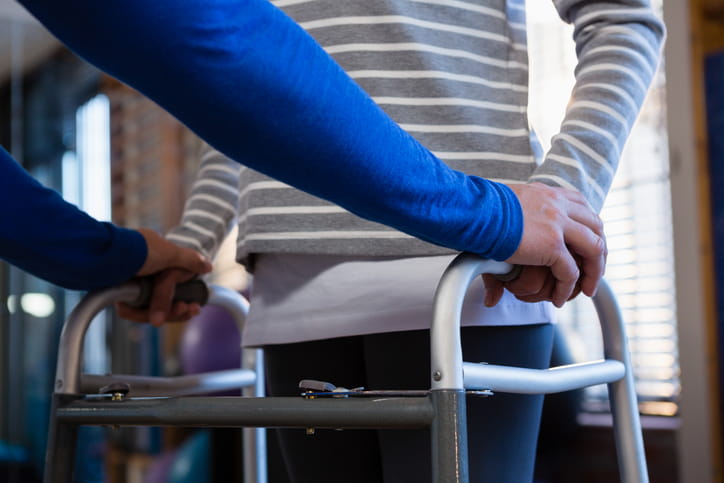
Whether an auto accident, a fall, or a sports-related incident, a traumatic injury can change your life. Even after surgery or a stay in the hospital, many people need post-traumatic injury care and rehabilitation before they can return home and to a normal life.
A traumatic injury is any injury that is caused by external force or a sudden, unexpected event. Many traumatic injuries can be extremely disruptive to normal life and can take months or even years from which to recover. Traumatic injury care consists of medical treatment and rehabilitation services to treat these injuries.
Recovering from a traumatic injury can be both physically and emotionally challenging, and it’s best not to go it alone. Monument Health Group offers several skilled nursing and injury rehabilitation centers across Utah for people who need continued support, especially after surgery or a stay in the hospital.
Contact Monument Health With Questions Or For A Facility Tour At A Utah Location Near You.
Key Takeaways
- Monument Health provides traumatic injury medical support in a skilled nursing setting.
- Our rehabilitation services include physical, occupational, and speech therapy with 24-hour medical care.
- Care options vary by individual need, and each of our guests receives a personalized care plan that is unique to each patient.
What Is Post-Traumatic Injury Care?
Post-traumatic injury care is a discipline of medicine and rehabilitation focused on the care of traumatic injuries. It is for patients recovering from serious injuries, often after a stay in the hospital. In the case of Monument Health, our post-traumatic care is delivered as part of our skilled nursing care.
Skilled nursing care offers around-the-clock nursing support to patients who need ongoing care but no longer need to be in the hospital. Skilled nursing care offers services such as wound and IV care, pain and medication management, and respiratory assistance, all overseen by a physician. Skilled nursing care is often referred to as the bridge between hospital and home.
During care, people with post-traumatic injuries also receive rehabilitative services. The most common are speech and language therapy, physical therapy, and occupational therapy.
At Monument Health, we take a holistic approach to care. Each of our patients receives a unique care plan, and our services and offerings are tailored to treating not just the illness but the entire patient. The appropriate care plan depends on type and severity of injury, medical needs, goals, and more.
Who May Benefit From Post-Traumatic Injury Rehabilitation?
Most people who have been through a serious traumatic injury, major surgery, or have had an injury-related stay in the hospital can benefit from rehabilitation. It is most often for people who have had initial medical treatment, usually a stay in the hospital, but need additional medical services and rehabilitation before returning home.
You or a loved one may benefit if you are recovering from:
- A serious fall
- An auto accident
- A broken bone
- Joint replacement
- A major sports injury
- Traumatic brain or spinal cord injuries
- Injuries resulting in stroke or heart attack
- Work related injuries requiring hospitalization
- And more
Falls are the leading cause of hospitalization for adults 65 years old and older, and nearly 40% of adults who experience a fall need medical treatment. Car crashes are a leading cause of traumatic injuries for all ages. More than 700 people are injured in car crashes each day in the U.S. All often require traumatic injury rehabilitation.
Your medical team can help you understand if you may need traumatic injury rehabilitation. We’re also happy to help answer any questions you may have or offer tours of any of our facilities.
Post-Traumatic Injury Care Options
There are many different options for post-traumatic injury care, each with their unique strengths. Some offer more appropriate care for specific injuries and conditions than others. The appropriate setting depends on injury, medical needs, ability to participate in therapy, and more.
Skilled nursing care is divided into two distinct types of care: short-term rehabilitation and long-term care. Monument Health is proud to offer both types of care.
Short-Term Rehabilitation
Short-term rehabilitation is tailored to immediate recovery needs. Patients generally expect to be headed home within a few days, weeks, or months, and care is tailored to making this transition as smooth, quick, and safe as possible. This type of care is therapy-oriented and directed toward the patient achieving independence.
Long-Term Skilled Nursing
Long-term skilled nursing care is often a good option when full recovery isn’t possible, but patients require around-the-clock medical care. This is most often for those whose injuries have resulted in lasting impairment. The goal of this type of care is less rehabilitative and more focused on maximizing comfort and safety, while increasing quality of life.
Inpatient Rehabilitation Facilities
Inpatient rehabilitation facilities provide more intensive therapies than short-term rehabilitation in skilled nursing facilities. Inpatient rehabilitation is typically for people who don’t have outstanding nursing care needs and can participate in therapy for multiple hours a day. This option is great for patients who do not have complex medical needs and can benefit from an increased pace of therapy.
Home Health And Outpatient Therapy
Outpatient options for those with post-traumatic injuries include outpatient therapy and home health. Home health involves a nurse, home health aide, or other medical staff providing therapy and other medical services directly in the home. Outpatient therapy involves traveling to therapeutic appointments but not staying overnight in facilities.
The type of care that is appropriate for you and your loved ones is best discussed with your medical team. Some forms of care may be suited to your unique medical situation better than others.
How Post-Traumatic Injury Care Supports Recovery After An Accident, Fall, Surgery, Or Other Serious Injury
People who have suffered from a traumatic injury often need more than just physical healing. Ancillary skills, like balance and strength, may be affected, patients may face new limitations, such as speech impediments or reduced range of motion, and the activities of daily life may become more difficult or impossible without help and training.
Short-term post-traumatic injury rehabilitation helps restore or improve all these functions through numerous rehabilitation methods, while ensuring that overall health issues are looked after simultaneously.
The most common therapies used are physical and occupational therapy, as well as speech therapy in certain instances. These therapies are tied together, along with ongoing medical care, by individualized recovery planning.
Physical Therapy
Physical therapy is the therapeutic discipline focused on improving strength, mobility, range of motion, and other physical attributes. Depending on the injury suffered and you or your loved one’s condition, typical exercises might include relearning walking, strategies to get out of a seated position, exercises that improve range of motion in certain joints. Also, in some instances, physical therapy helps patients learn how to use assistive devices, like canes and walkers.
Occupational Therapy
Occupational therapy is therapy focused on helping people re-learn or learn new strategies to tackle the acts of everyday life. Therapy might focus on re-learning how to cook, for example, or learning new strategies to get dressed or use the toilet with newly limited mobility. Therapists may also suggest the use of assistive devices, such as one handed can or jar openers.
Speech Therapy
Speech therapy, while less often used in the case of traumatic injuries, can be an important part of recovery. Speech therapy not only teaches the re-learning of speech and speaking, but also of eating and swallowing properly, as well as connections between speech and the brain. Assistive devices may be used in speech therapy as well, such as writing tablets.
Ongoing Medical Care
When post-traumatic injury care is undertaken while in skilled nursing care, as with Monument Health Group, therapy is integrated with any medical care that may still be necessary. Typical needs are for wound care, IV or medication management, respiratory assistance, and more. Integrating skilled nursing care with rehabilitative therapy ensures safety, security, and synthesis of care.
Individualized Recovery Planning
At Monument Health, all patients receive an individualized care plan unique to their health and recovery goals. This helps ensure all our patients are progressing as desired, meeting their goals, and receiving appropriate care at all times. These care plans are regularly updated, and communication with family and other caregivers and medical teams is paramount.
In all instances, Monument Health strives to provide comprehensive and total support for traumatic injuries, body, mind, and future.
Eligibility for Post-Traumatic Injury Care
Eligibility for post-traumatic injury care in a skilled nursing setting is dependent on a number of factors, the most important being the nature of injury and recovery needed.
In most cases, care needs will be assessed by your existing medical or hospital team, with input from our staff and in consideration of you or your loved one’s wishes. Before being discharged from the hospital or other facility, your medical team will make recommendations about the type of care that is best for you.
In some cases, especially when insurance considerations are involved, you may need a physician’s recommendation to enter skilled nursing care and post-traumatic injury rehabilitation.
The Admission Process For Post-Traumatic Injury Care
The transition from hospital to skilled nursing does not need to be a difficult one. In fact, we strive to make it as easy and seamless as possible.
After discussing post-hospital care options with your existing medical team, you’ll receive an assessment by our team to ensure your needs match our skills and facilities. At this time, you’re encouraged to interface with your insurance carrier to ensure coverage aligns as well.
Most likely, our assessment will end in a personalized care plan to ensure you or your loved ones get the best care possible that remains unique to your needs.
In most cases, the transition between hospital and our facility will be coordinated between medical teams, and relevant medical records, discharge instructions, medications, and other facets of your care will be sent over electronically.
We aim to make the transition process as smooth and simple as possible.
Preparing For Admission And Participating In Care Planning
Both entering and leaving skilled nursing are important milestones. You and your family can contribute to smooth transitions by keeping communication open and clear, ensuring follow-up care at each step of the way, and having insurance and other financial information at hand.
At Monument Health, family and other loved ones are always welcome and encouraged to discuss care planning, both inside our facility and for after.
Why Choose Monument Health’s Injury Rehabilitation Centers?
Monument Health Group offers the premier facilities in Utah for traumatic injury rehabilitation in a skilled nursing setting. We have more than a dozen facilities across the state to serve you and your family close to home.
If you or a loved one is transitioning out of the hospital or is expecting to be soon, contact us to see how we may be able to help.