Common Balance Problems In Seniors
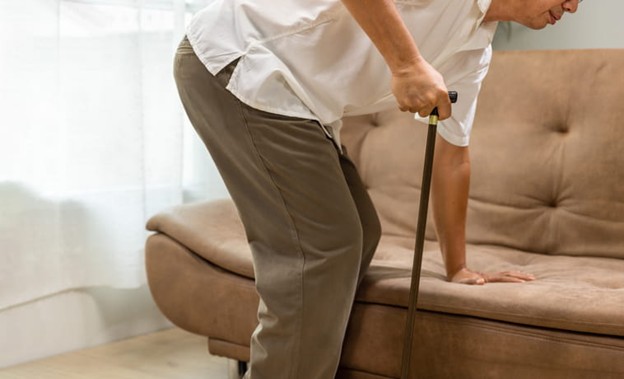
Older adults have a greater likelihood of suffering from chronic health issues. While it’s common to think of serious conditions, such as diabetes and heart disease, as critical medical conditions affecting many older adults, balance problems are a severe health risk in old age, too.
Let’s take a closer look at balance problems in seniors, their common causes, and how older adults with balance issues can benefit from skilled nursing care.
What Balance Problems Look Like In Older Adults And How They Affect Daily Life And Safety
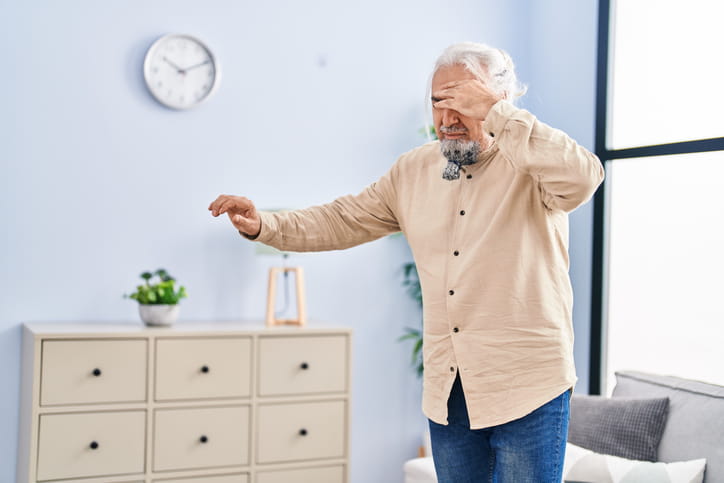
Symptoms of balance problems in older adults include:
- Blurred vision
- Feeling faint
- Lightheadedness
- Teetering
- Vertigo
- Wobbling
Balance issues lead to falls, and falls are dangerous for older adults. Falls are the number one cause of injuries among those 65 and older, and they’re also the number one cause of injury-related deaths among this age group.
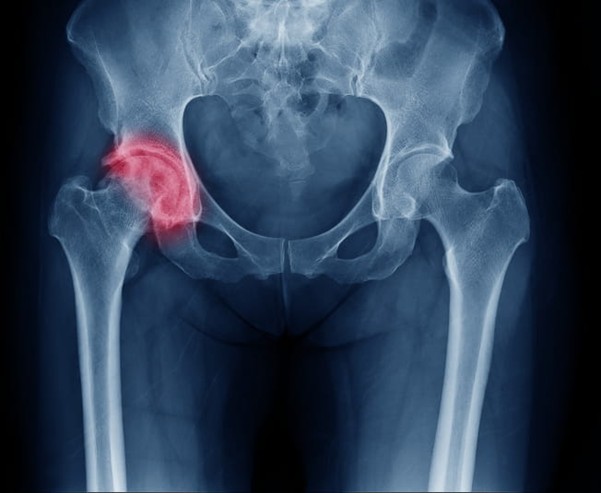
Approximately 300,000 older adults suffer hip fractures that require hospitalization each year. In 2019, falls were responsible for 88% of older adult hip fractures, requiring emergency room treatment or hospitalization.
As people age, fear of falling becomes a concern. Those afraid of falling may develop anxiety. Some older adults are less active and become socially isolated due to mobility concerns. Social isolation and the inability to enjoy preferred activities affect their quality of life and can cause depression.
Common Causes Of Balance Issues
There are many reasons older adults may have balance issues, including the following:
- Blood pressure: Dizziness is a common symptom of orthostatic hypotension and hypertension.
- Dehydration: Dehydration reduces your blood volume, which causes orthostatic hypotension. With less oxygen reaching your brain, you can experience lightheadedness and loss of balance.
- Fatigue: Older adults who are fatigued can experience balance issues.
- Inner ear disorders: Meniere’s disease affects the inner ear, causing vertigo and imbalance.
- Joint stiffness: Older adults with joint stiffness have a reduced range of motion, which can contribute to balance issues.
- Muscle weakness: Many older adults experience muscle loss or weakness, which can impair their stability while walking.
- Neurological conditions: Dementia and other neurological conditions, such as Parkinson’s disease, make it difficult for the brain to process balance information, increasing the risk of falls.
- Side effects of medication: Many medications, including those for sleep disorders and blood pressure, can cause loss of balance.
- Vision problems: Poor eyesight can affect an older adult’s ability to see and process hazards that affect their balance.
Why Balance Problems Increase Fall Risk And When Unsteadiness Becomes A Serious Concern
Balance problems undermine a person’s ability to adjust to their environment or avoid obstacles that can cause them to fall.
Suppose you have an older parent with a neurological condition, such as dementia. Your loved one may not be aware of their balance issues or understand their increased fall risk.
Or perhaps your older parent is suffering from joint stiffness and muscle weakness. These conditions affect their range of motion and stability, making them unsteady when walking because they can’t maintain balance.
Older adults who experience balance issues, leading to repeated near-falls or falls and injuries, need medical care to identify and address the cause, manage their symptoms, and restore their health.
When Families Should Consider Skilled Nursing Or Rehab Support For Balance And Mobility Challenges
Families should consider skilled nursing for an older loved one with balance and mobility issues when they have repeated near-falls or falls, particularly if those falls cause injuries.
Ideally, you should act when you first notice signs of teetering or wobbling, or if your family member complains of lightheadedness or dizziness. These symptoms indicate they’re at increased risk of falling. Preventing severe falls can help older adults avoid life-threatening injuries and hospitalization.
How Monument Health Supports Balance And Fall Prevention
Monument Health’s skilled nursing facilities employ expert medical professionals. Every member of our team has experience working with older adults with balance and mobility issues. Our teams include doctors, nurses, and occupational and physical therapists, who work together to assess and monitor each resident.
Once our team performs a skilled nursing assessment, we’ll identify the reason for the balance issues and develop a personalized treatment plan to help restore balance and mobility. Our team also develops personalized safety plans for each person with balance issues, ensuring they have assistive devices and appropriate supports to prevent falls from loss of balance.
Our treatment plans also include occupational and physical therapy.
Occupational therapists help individuals restore their fine motor skills. Occupational therapy can help older adults regain dexterity and increase grip strength, which can help those who need to use a walker or cane for stability.
Physical therapists use exercises to help people increase their range of motion and rebuild muscle. Physical therapy can also help people manage pain, enabling them to move without discomfort.
Our skilled nursing teams also help residents stay hydrated and manage their medications. Our nurses note any medication-related concerns and relay them to each individual’s team, which means if a medication causes someone to experience balance issues, our team can adjust the prescription to avoid that side effect.
Benefits For Families
Families can count on Monument Health to provide the expert support their loved one needs when faced with balance issues. Our teams monitor, protect, and support each resident, helping them avoid falling while regaining their balance.
You can count on Monument Health to provide the expert care your loved one needs, and knowing they’re in a caring, supportive environment will give you peace of mind.