Five Benefits Of Speech Therapy For Seniors
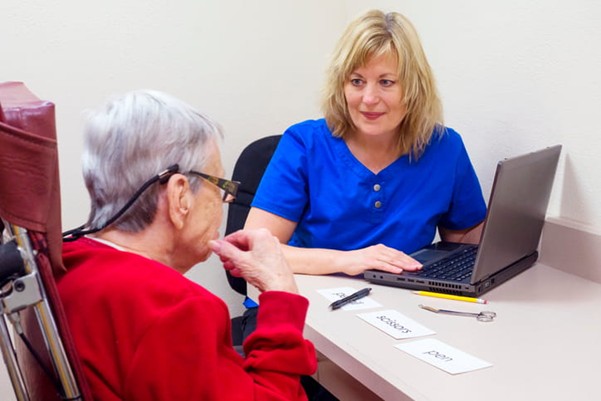
Chronic health issues are common among adults 65 and older, with 93% of adults in this age group having at least one chronic health issue.
Although communication disorders aren’t among the most common chronic health conditions for older adults, high cholesterol, hypertension, and heart disease can cause strokes, which can cause communication challenges.
Speech therapy helps seniors with communication issues regain their ability to speak and communicate with others. There are also several benefits of speech therapy for seniors, which is why speech therapy services are essential in skilled nursing facilities.
What Is Speech Therapy For Seniors?
Speech therapy for seniors is tailored to the unique challenges that older adults with communication challenges face. An older adult may be facing communication issues due to cognitive decline, a traumatic brain injury (TBI), or a health event, such as a stroke. Speech therapists customize treatment plans to help each individual meet their communication goals.
Who Can Benefit From Speech Therapy?
Older adults with the following challenges can benefit from speech therapy:
- Amyotrophic lateral sclerosis (ALS)
- Apraxia
- Cerebral palsy
- Cognitive decline
- Dementia
- Dysarthria
- Dysphagia (swallowing disorders)
- Parkinson’s disease
- Post-injury communication challenges
Those recovering from a stroke can also benefit. Speech therapy’s role in stroke recovery involves helping individuals regain and retain language. Speech therapists aim to help patients regain functional communication and use pronunciation exercises to help patients enunciate words clearly.
How Does Speech Therapy Improve Communication?
Speech therapy helps older adults improve communication by helping them retain language, articulate thoughts effectively, and pronounce words clearly. In some cases, individuals may need to strengthen the muscles used for speech to articulate words clearly. For others, the priority may be strengthening cognitive functions so the individual can recall words and express themselves effectively.
Can Speech Therapy Help With Memory Or Thinking Skills?
Speech therapy can help individuals recall words and improve cognitive function, enabling them to express their thoughts verbally. Speech therapists help individuals improve their memory and thinking skills with customized treatment plans. Depending on the individual’s challenges and goals, treatments may include exercises focused on any of the following:
- Attention
- Executive functions (focusing, planning, organizing)
- Information processing
- Problem solving
- Recall
Does Speech Therapy Help With Swallowing Or Safety?
Individuals with dysphagia, neurological disorders, such as Parkinson’s disease, and those who have suffered from a stroke may have difficulty swallowing. Speech therapists use exercises to help these individuals swallow food and drink safely. Their treatment plans focus on exercises that help individuals strengthen the muscles used for swallowing, such as those in the mouth and tongue.
Speech therapists also teach individuals how to modify foods and adjust their posture to reduce the risk of choking. Food modifications can include cutting foods into smaller pieces or thickening liquids. Thickening liquids helps prevent choking by slowing the flow of liquid, controlling the amount that enters the person’s throat.
Preventing food and drink from getting into a person’s lungs is crucial because food or drink in the lungs can cause health issues, such as aspiration pneumonia, which carries a notable risk of hospitalization or death.
How Does Speech Therapy Improve The Quality Of Life For Seniors?
The five benefits of speech therapy for seniors include the following:
- Communication: Older adults recovering from injuries or illnesses can regain verbal communication skills through speech therapy or learn alternative communication methods.
- Cognitive functions: Speech therapy helps older adults strengthen cognitive functions, improving memory, attention span, and problem-solving skills.
- Independence: Older adults who strengthen their cognitive functions through speech therapy can retain more independence.
- Safety: Speech therapy helps reduce the risk of choking and aspiration pneumonia.
- Socialization: Speech therapy helps prevent social isolation because older adults who can communicate clearly are less likely to withdraw socially due to embarrassment.
What To Expect In Adult Speech Therapy
Wondering what to expect in adult speech therapy? Your speech therapist will evaluate your communication skills and other issues, such as the ability to swallow, and develop a personalized treatment plan to help you achieve your treatment goals.
Treatment plans include many components, including the following:
- Exercises focused on language development.
- Exercises focused on moving your mouth or tongue.
- Exercises strengthening executive functions.
- Lessons on making sounds, including consonant and vowel sounds and blends.
- Memory games.
- Reading.
Speech Therapy At Monument Health
The importance of speech therapy for seniors cannot be overstated. Speech therapy helps older adults retain or regain their dignity and independence by improving cognitive functions and communication skills, while also reducing the risk of choking. Retaining independence and engaging in social activities also helps prevent depression, improving the quality of life for older adults during their golden years.
Monument Health Group offers speech therapy as part of our skilled nursing care services for individuals with cognitive issues, neurological disorders, brain injuries, or other conditions affecting communication. We prioritize person-centered treatment plans that focus on the individual’s needs and goals, thereby expediting their recovery.