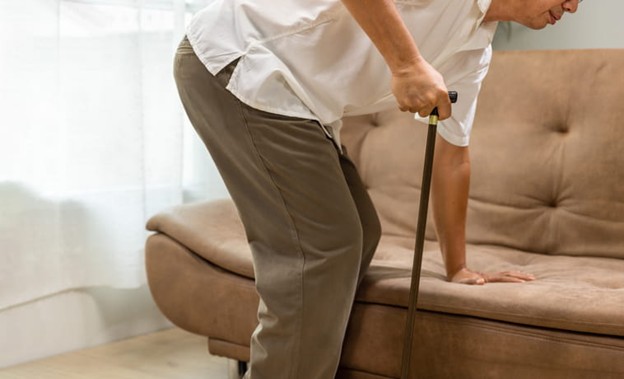
Broken Hip In Elderly Adults And The Road To Recovery
A broken hip in elderly people and other adults is a serious and potentially life-altering injury. Without the appropriate care, a broken hip can cause lifelong mobility issues, impacting independence and overall quality of life.
However, with the right care, such as in a high-quality skilled nursing facility like Monument Health Group, these serious issues can be minimized and even eliminated. With a good medical team behind you or your loved one, partial and even full recovery is possible.
Today, we’ll take a look at everything associated with broken hips, from causes and complications to therapy and recovery. At Monument Health Group, we’re not only committed to the highest quality care in our facilities but to education as well.
We’re all healthier when our communities are healthy. Here’s how to prevent broken hips, the best strategies for recovery from broken hips for elderly people, and much more.
What Causes Hip Fractures In Elderly Adults?
The most common cause of broken hips in elderly adults is falls. In fact, falls are one of the greatest dangers to seniors in the United States, with thousands of elderly people across the country hospitalized for falls each year.
As we age, our bones naturally grow more brittle. Conditions such as osteoporosis also weaken the bones in the elderly, specifically women, contributing to the rate of fractures. For those with weaker bones, a fall even from normal standing height can prove dangerous.
Changes in balance, strength, and vision associated with aging can also contribute to falls. In some cases, natural stress to weakened bones can cause a fracture, even without a fall, and auto accidents remain a leading cause of broken bones in the elderly.
What Are The Common Symptoms Of A Broken Hip?
Most people who have a broken hip know that their hip is broken. The condition is characterized by intense pain in the hip area, an inability to walk, and an inability to stand. Many people that break their hip from a fall need help arising from the floor and calling an ambulance. A Life-Alert type device can also be a lifesaver in this situation.
In all cases, a broken hip is an immediate medical emergency and should be cared for by a physician immediately. If you think you have a broken hip, call 911 or visit a hospital.
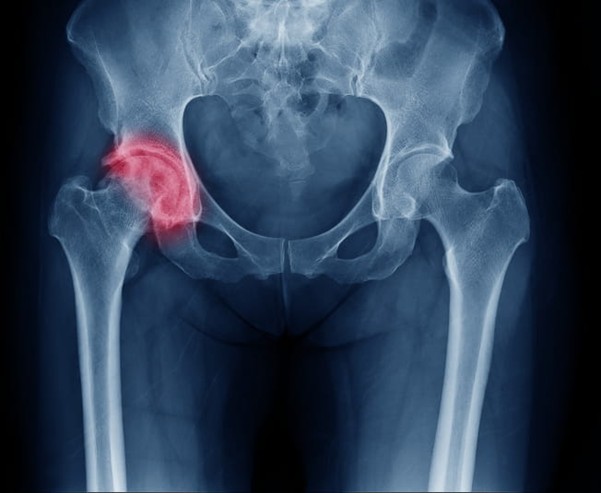
At the hospital, a hip fracture will generally be diagnosed with X-ray imaging, or with an MRI or CT scan. The latter two diagnostics will generally be used when an X-ray is inconclusive, or more information is needed.
Prompt diagnosis is critical. The sooner a diagnosis can be made, the sooner treatment can begin. Delaying treatment can have severe adverse consequences.
What Complications Can Occur After A Hip Fracture?
Complications after a hip fracture can be serious.
Complications include:
- Blood clots in the legs, lungs, or heart
- Infections at the site of incisions
- Bed sores due to immobility
- Muscle loss
- Loss of independence or ability to walk
- Increased risk of future fractures
Luckily, these complications can be mitigated with prompt emergency care and excellent aftercare of the kind we provide at Monument Health Group.
What Treatment Options Are Available For Older Adults Who Have Broken A Hip?
There are generally two treatment options for a broken hip: Surgical options and non-surgical options.
Surgical options are the most common. Surgery allows elderly patients to retain mobility faster than other options, while reducing the risk of complications.
Depending on the type of fracture, a number of techniques may be used to secure the bone and allow the body to heal. These include total and partial hip replacement, as well as lesser-invasive options, such as adding metal plates to stabilize the bone while it heals.
In some rare cases, non-surgical options may be considered. This approach generally involves managing pain, while allowing the bones to heal themselves. In this case, recovery is often slower and can be more challenging.
In both cases, your doctor will help determine the best course of action, and post-traumatic recovery will be necessary to heal fully.
What Does Recovery Look Like After A Broken Hip?
Recovery after a broken hip generally has many stages, each with a unique set of concerns and strategies.
The first is pain management before surgery. Broken hips in seniors are often painful, traumatic events, and this pain must be managed effectively, while the patient’s general health is stabilized.
The next phase is generally surgery. For major surgeries, like hip replacements, surgery is generally performed in a hospital by a geriatric surgeon or specialist. Most people need to stay overnight at least one night in the hospital but depending on the severity of the case and other factors, you or your loved ones may need to stay for several days.
After surgery, the recovery phase can begin. This is best accomplished in a skilled nursing facility, like ours at Monument Health Group. Skilled nursing facilities often act as the bridge between hospital and home, and care for broken hips is no different.
Here, you or your loved ones will receive therapies, such as physical therapy, that can aid and speed recovery, while receiving help with the activities of daily living in these crucial first few days after surgery. All medical care in skilled nursing facilities is provided by licensed staff under the guidance of a physician. Care in a skilled nursing facility may last days to weeks.
Once discharged, you or your loved ones will need to rest for many more weeks, while continuing to perform physical therapy and following doctors’ orders. Full recovery will likely take three to six months, potentially more. Some people will make a full recovery; others may see lasting effects.
What Role Does Rehabilitation And Physical Therapy Play After A Broken Hip?
Rehabilitation and physical therapy are two of the most important things you and your loved ones can do after a hip fracture. Rehabilitation and physical therapy have been shown to improve outcomes following medical events, like broken hips. Simply put, with physical therapy and other rehabilitation techniques, you or your loved ones are less likely to have lasting complications from broken hips and other medical issues.
During the course of treatment, physical therapists help patients regain mobility and strength, use assistive devices, like walkers and canes, and help patients regain confidence in walking and other everyday activities.
Rehabilitation may also include occupational therapy, which helps patients regain household skills, such as cooking, bathing and hygiene, dressing, and more. Together, our therapies at Monument Health Group ensure our patients achieve the best outcomes after a traumatic event, such as a hip fracture.
How Can Monument Health Group Help Seniors Who Have A Broken Hip?
Monument Health Group is the premier provider of skilled nursing in Utah. We provide comprehensive support for seniors who have suffered a broken hip. Contact us today with questions or for a tour of one of our many facilities across The Beehive State.