
Types Of Arthritis In Utah Seniors
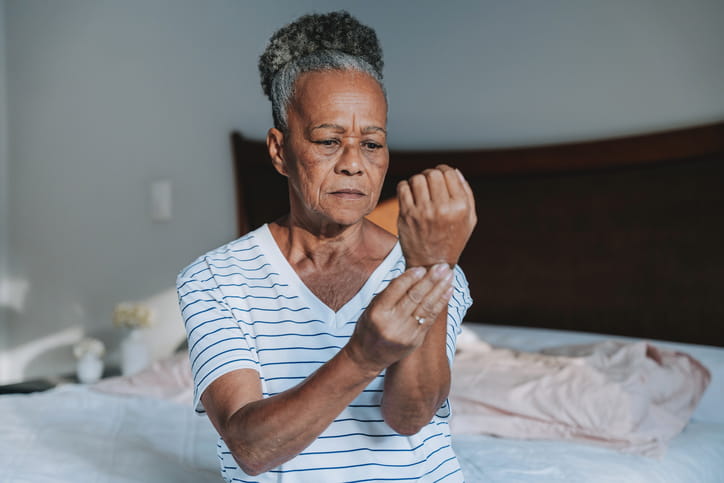
There are more than 100 types of arthritis. Symptoms of arthritis include the following:
- Joint pain
- Muscle weakness
- Poor balance
- Reduced flexibility
- Stiff joints
Understanding the different types of arthritis, its symptoms, and the treatments for seniors with arthritis can help you identify arthritis in its early stages and get prompt, effective treatment.
Understanding Arthritis In Seniors
Since older adults are more likely to have worn cartilage from years of joint use, and are at increased risk of infections, they are more likely to develop arthritis. Almost 50% of seniors in the U.S. have arthritis.
The joints more commonly affected by arthritis include:
- Ankles
- Elbows
- Feet
- Hands
- Hips
- Knees
- Shoulders
- Spine
- Wrists
Some types of arthritis can also cause bone loss. These symptoms affect mobility and increase the risk of falls and serious injuries.
Risk Factors
While aging increases the risk of getting arthritis, other factors that increase the risk include the following:
- Diabetes: Arthritis affects 47% of people with diabetes.
- Gender: Rheumatoid arthritis is more common among women. Gout is more common among men.
- Genetics: You’re more likely to get arthritis if someone in your family has arthritis.
- Joint injuries: It’s common for arthritis to develop in joints previously affected by injuries.
- Weight: The risk of developing arthritis increases if you’re overweight.
Common Types Of Arthritis In Seniors
There are multiple types of arthritis affecting different joints throughout the body.
What Are the Types of Arthritis?
The most common types of arthritis include:
- Ankylosing spondylitis
- Gout
- Lyme arthritis
- Osteoarthritis
- Psoriatic arthritis
- Reactive arthritis
- Rheumatoid arthritis
- Septic arthritis
Osteoarthritis is the most common. While Lyme and reactive arthritis are responses to bacteria or infections, osteoarthritis stems from the breakdown of cartilage that cushions the joints throughout the body. Cartilage keeps you from experiencing pain when your joints move. Without it, you’ll experience pain that can affect your mobility.
Symptoms Seniors Should Watch For
If you have arthritis, you’ll experience some or all of the following in one or more joints:
- Inflammation
- Pain
- Stiffness
- Swelling
- Tenderness
If you have an older loved one or work with older adults, you may notice they become more sedentary. This could be due to pain, stiff joints, or balance issues. It’s crucial to note any changes in mobility that could indicate they have arthritis.
If your older loved one or the older adult you work with has overused specific joints throughout their lifetime due to their work or hobbies, has a prior joint injury, has a family history of arthritis, is overweight, or has diabetes or an infection, it’s essential to monitor them for symptoms of arthritis.
Rehabilitation
Seniors with arthritis can benefit from treatment and rehabilitation, particularly if their symptoms have progressed.
Treatments for arthritis include the following:
- Braces and splints: Braces and splints keep joints aligned, provide stability, and help reduce joint strain.
- Medications: Medication can reduce inflammation and pain.
- Occupational therapy: Occupational therapy can be beneficial, particularly if your arthritis affects your fingers, wrists, or elbows. Occupational therapists use exercises to help individuals regain strength and improve their range of motion. Occupational therapists also teach individuals how to complete routine tasks with assistive devices.
- Physical therapy: Physical therapy involves using exercises to reduce pain, improve balance, and improve mobility. Seniors with arthritis benefit from physical therapy because it helps them stay active and regain the ability to move safely, enabling them to maintain their weight. Physical therapists can also help manage arthritis symptoms in seniors by teaching them to use assistive devices.
- Surgery: Depending on the severity, one may need joint fusion, joint repair, or joint replacement surgery.
Those who have surgery will have a recovery period after they’re discharged from the hospital. A skilled nursing facility can provide short-term rehabilitation, helping individuals recover and regain their independence.
Short-term rehabilitation includes occupational and physical therapy. Monument Health Group operates Utah’s premier skilled nursing facilities and prioritizes individual-centered treatment plans that are designed to meet the individual’s needs and recovery goals.
Prevention And Management
It isn’t always possible to prevent arthritis; however, there are things you can do that will reduce your risk and, if you’re diagnosed in the early stages of the disease, slow its progression.
Prevention and management strategies include the following:
- Exercise: Regularly engage in low-impact activities and exercises that aren’t too intense. Avoid exercises that strain the joints, like running. Opt for activities such as swimming, aerobics, cycling, and brisk walking.
- Injury prevention: Use appropriate equipment to prevent injuries. Shoes with good support can help prevent or reduce joint pain. Assistive devices, such as walkers, can help you maintain your balance.
- Lose weight: Maintaining a healthy weight will reduce wear and tear on your joints, and lower your risk of arthritis.
- Manage diabetes: Managing your diabetes can also help you manage your arthritis.
Monument Health Group’s Services
Monument Health Group’s services include short-term rehabilitation, occupational therapy, and physical therapy. Individuals recovering from a fall or another injury, those who need help managing their diabetes, and those who need post-surgery rehabilitation can receive expert support from Monument Health Group’s medical teams while residing in a warm, homey environment, where they can socialize and enjoy recreational activities between treatments.
With facilities throughout Utah, you can find a location near you, where you can receive the customized treatment you need to regain your independence.