What Causes Vertigo In Utah Seniors?

Many people think vertigo is simply feeling dizzy. While dizziness is one of the symptoms of this condition, it poses many more challenges to those who suffer from it, especially the elderly. For seniors in Utah, vertigo can be disorienting, frightening, and physically dangerous.
Luckily, Monument Health is here to help. Utah poses some unique challenges for sufferers from vertigo, due to its relatively high elevation and its dry heat, making seniors prone to vertigo more easily due to dehydration. At our facilities across the state, seniors can receive short and long-term treatment for vertigo and many other conditions affecting seniors.
Today, we’ll take a look at what causes vertigo, understand the symptoms and risks, and how vertigo can be treated in Utah. Whether your loved one lives at home or in one of our facilities, understanding vertigo can prevent serious complications, such as falls.
Understanding Vertigo
Vertigo is a condition affecting the inner ear that causes a sensation that the surroundings are spinning, tilting, or moving. Vertigo is separated from other forms and causes of dizziness because it is often chronic and linked to problems with the inner ear.
The number one cause of vertigo in seniors is likely due to a disorder called Benign Paroxysmal Positional Vertigo. There are tiny crystals in our ears that help us balance. This condition happens when these crystals become displaced. This displacement often happens because of an injury or infection, or sometimes, for no discernible reason.
While this kind of vertigo is not necessarily dangerous on its own, it can result in falls, which are particularly dangerous for the elderly. Vertigo can also appear due to many more reasons, some of which are emergencies.
Vertigo Symptoms
While the number one symptom of vertigo is a sensation of spinning or movement where there is none, other symptoms may include:
- Loss of balance
- Nausea
- Headache
- Blurred vision
- Ringing in the ears
- Sudden eye movements
If vertigo is accompanied by other symptoms, such as slurred speech, facial drooping (especially on the left side of the body), and confusion, it may be the sign of a stroke and you should call an ambulance immediately or go to the emergency room.
What Causes Vertigo In The Elderly?
There are many causes of vertigo in elderly patients. As mentioned above, likely the most common cause of the condition is Benign Paroxysmal Positional Vertigo, caused by disruptions in balance crystals within the inner ear or other inner-ear and brain complications.
Vertigo can also be an indication of a stroke or can be a complication after having a stroke. In addition, many medications prescribed to seniors can cause dizziness or vertigo as a side effect. Seniors taking medications, including blood pressure medication and anti-depressants, who experience vertigo should consult with their doctor.
One often overlooked cause, that seniors and their families in Utah should be especially careful of, is dehydration. Utah’s hot and dry climate can cause dehydration quickly, and seniors are more prone to dehydration due to age-related changes in the body.
Fall Risk: Vertigo And Seniors
The number one risk of hospitalizations for the elderly is falls. Thousands of Utahans are hospitalized each year due to falls, and many even die. Unfortunately, falls and vertigo are closely linked. Even a brief episode of vertigo can cause a serious fall that can result in hospitalization.
In Utah in particular, winter ice increases fall risk, its dry climate causes dehydration, and dehydration can make dizziness worse.
Falls often result in serious injuries, such as:
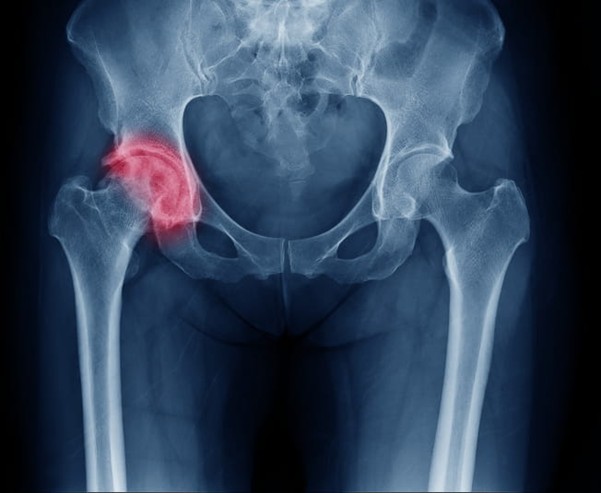
- Broken hips
- Other broken bones
- Head and spinal cord injuries
- Fear
- Loss of independence
Fear of falling also affects independence in seniors and can be compounded by vertigo. After a fall, especially after a stay in the hospital, rehabilitation is often needed. Skilled nursing care, of the kind we provide at Monument Health, is often necessary.
Treating Vertigo In The Elderly
One of the best things seniors can do after being diagnosed with vertigo is to undergo rehabilitative therapy. Therapies, such as physical and occupational therapy, can help those with vertigo regain their balance, which reduces their risk of falling and other complications.
At Monument Health Group, we provide many forms of therapy, monitoring, and assessment to help seniors manage and recover from vertigo, no matter the cause.
We offer:
- 24/7 monitoring in skilled nursing
- Fall risk assessments
- Medication management
- Physical therapy for balance
- Strength training
- Post-stroke rehabilitation
- Supervised recovery after hospitalization
- And much more
Treatments for vertigo may also include the following:
Monument Health Group proudly provides all these services at our facilities across Utah.
Managing medication effectively, restoring balance, strength, and confidence through therapy, and with around-the-clock monitoring by certified nurses, vertigo and its underlying causes, can be effectively managed in Utah.
How Monument Health Group Can Help Your Family
Vertigo can be a scary experience for anyone, but it’s especially worrisome for seniors and their families due to the risk of falls and the serious complications they present. However, Monument Health Group offers expert skilled nursing services designed to help families manage and recover from vertigo.
With a highly trained staff of certified nurses available around-the-clock, personalized treatment plans, and state-of-the-art facilities, Monument Health offers families the peace of mind you need knowing your loved one is in a safe, caring environment.
We offer treatment centers across Utah, including in Salt Lake City, Ogden, Provo, St. George, and many more areas. If you’d like a tour of one of our facilities, or would like to ask any questions, please contact us today.
We look forward to serving you and your family when the time comes for skilled nursing or memory care.