
Tracheostomy & Tracheotomy in Murray Creek
Murray Creek Tracheotomy and Tracheostomy Services
As people age, their immune system weakens. Its inability to function effectively means older adults have a greater risk of being affected by chronic health issues. In addition to increasing the risk of getting cancer or suffering a stroke, aging increases the risk of suffering breathing issues from illnesses, such as respiratory syncytial virus (RSV) and pneumonia.
Those with breathing issues may need a tracheostomy to get enough oxygen. You may have heard of a tracheotomy and wonder what the difference is between a tracheotomy and a tracheostomy.
Monument Health in Murray Creek provides post-hospital and skilled nursing care, including care for those with a tracheostomy. Let’s look at what a tracheostomy is, why someone may have one, and how Monument Health in Murray Creek supports individuals with a tracheostomy.
Who Can Benefit From Physical Therapy?
Many people can reap the benefits of physical therapy, including people dealing with managing chronic conditions, recovering from surgery or illness, or patients healing from injuries. Our physical therapists are committed to creating personalized care plans with every one of our patients to fit their specific needs.
Whether you’re a senior requiring post-hospitalization care or post-traumatic injury physical therapy, or an athlete recovering from a sports injury, we have you covered.
Who May Need Physical Therapy?
Patients who have been hospitalized for a serious injury, major surgery, or a severe illness often require post-acute care and short-term rehabilitation care that includes physical therapy.
Physical therapy is also frequently part of a treatment strategy for certain chronic conditions, other types of injuries, and as a preventative strategy for preventing injury and disability in seniors.
Post-Acute Care Needs
Post-acute care (also referred to as post-hospital care) is short-term skilled nursing and rehabilitation services that are meant to assist patients who are ready to be released from the hospital, but still need more time to recover before they can safely return home.
Physical therapy is usually a necessary part of post-acute care in order for patients to regain strength, maintain mobility, improve balance, and relearn physical movement and skills they may have lost due to illness or injury.
Reasons an individual may need acute care include the following:
- Recovering from a major surgery.
- Recovering from a serious injury.
- Recovering from a serious illness.
What Is the Difference Between Tracheotomy and Tracheostomy?
You may have heard the terms tracheotomy and tracheostomy used interchangeably. Although this is common and the terms are related, there are clear distinctions.
The trachea is also known as the windpipe. When people breathe, air flows through the trachea to the lungs. However, it’s more than a conduit. It regulates the air’s temperature and moisture levels, and the cilia and mucous membrane in the trachea filters out debris, keeping the lungs clear.
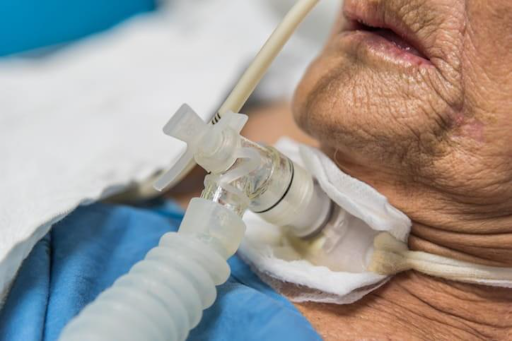
When a person needs support to get enough oxygen, they may require a tracheotomy and tracheostomy. The tracheotomy comes first. This medical procedure involves cutting an opening in the trachea. Once there’s an opening, a trach tube is inserted. The opening is called a tracheostomy.
Who Typically Needs a Tracheostomy?
People with a tracheostomy breathe through that opening instead of their mouth and nose. The tube allows for the removal of mucus secretions from the lungs.
People may need a tracheostomy if they’re affected by:
- A chronic illness is blocking their airway
- A chronic illness impairs their breathing muscles
- A traumatic injury
- Being on a ventilator for an extended period
Conditions that could require someone to be on a ventilator for an extended period include:
- Pneumonia
- Stroke
- Traumatic injury
People may need a tracheostomy due to the following health conditions:
- Anaphylaxis
- Burns
- Chronic pulmonary disease
- Infections
- Injury affecting the chest wall or diaphragm
- Sleep apnea
- Tracheomalacia
- Tumors
- Vocal cord paralysis
How Can a Tracheostomy Tube Improve Breathing and Quality of Life?
The tracheostomy enables people to get enough oxygen, have secretions removed, and speak. It’s also possible for people with a tracheostomy to engage in light activities. With support from a speech therapist, it’s possible to eat food with the right texture and consistency. People with a tracheostomy tube can also drink beverages.
One alternative to a tracheostomy is intubation with an endotracheal tube. While the tube ensures enough oxygen reaches the lungs, when people are intubated, they’re bedridden and unable to speak, drink, or eat.
Tracheostomy is more comfortable and allows for interaction and light activity.
How Is a Tracheostomy Cared for in Skilled Nursing?
The professionals at skilled nursing facilities include doctors, registered nurses, and licensed therapists. At Monument Health in Murray Creek, Utah, our highly trained medical professionals perform all essential tracheostomy care, which includes:
- Checking the tracheostomy for signs of infection or irritation
- Cleaning the tracheostomy
- Replacing or cleaning the removable tube inside the tracheostomy tube
- Suctioning mucus from the tube
Residents with a tracheostomy receive daily care to prevent infections and blockages and ensure their comfort.
Speech Therapy
Individuals with a tracheostomy receive support from a licensed speech therapist. Speech therapists work with people who need support to acquire or regain verbal communication skills, such as those recovering from a stroke. Speech therapists also treat individuals with swallowing disorders by using exercises to strengthen the mouth, throat, and tongue muscles.
Strengthening these muscles helps people swallow safely. Since difficulties swallowing can lead to the need for a tracheostomy, strengthening these muscles can allow for the eventual removal of the tracheostomy.
Speech therapists also help individuals with a tracheostomy to regain their ability to communicate verbally.
How Does Physical or Occupational Therapy Support These Patients?
Physical therapists help individuals with a tracheostomy engage in light activities and regain their motor skills and balance after illness or injury. They also create customized treatment programs while monitoring the tracheostomy and ensuring the individual’s safety and comfort.
Occupational therapists work with individuals recovering from strokes, illnesses, and injuries. They use exercises to help people strengthen and regain their fine motor skills. They also teach people to use assistive devices to increase their independence. Occupational therapists can teach individuals with tracheostomies how to care for their tracheostomies.
Tracheostomy Care and More at Monument Health in Murray Creek
It can be stressful and scary to have a loved one who needs tracheostomy due to illness or injury. Knowing your loved one has a highly trained team of medical professionals providing expert care, while supporting their recovery will restore your peace of mind.
At Monument Health in Murray Creek, we ensure your loved one receives personalized care to help them recover and that you are included in the treatment process, keeping you aware and involved in their care.