What Causes Low Blood Pressure In The Elderly?
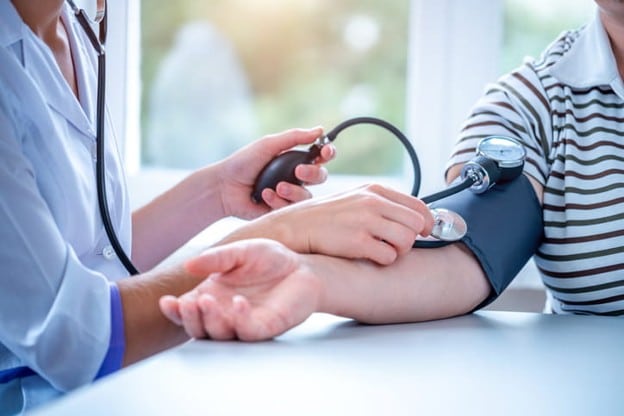
Chronic health issues affect 93% of adults over the age of 64. While high blood pressure (hypertension) is the most common chronic condition affecting older adults, up to 30% of people in this age group suffer from orthostatic hypotension, which is one of two types of low blood pressure.
Understanding the causes of hypotension, the risks of low blood pressure, and the signs of hypotension can help ensure you get your older loved one the essential medical help they need.
What Is Low Blood Pressure?
Someone has low blood pressure if their blood pressure falls below 90/60 mm Hg. When someone has low blood pressure, it means their body isn’t distributing enough nutrient-rich and oxygenated blood to their organs.
If someone has absolute hypotension, it means they have low blood pressure at all times.
If someone has orthostatic hypotension, their blood pressure drops below 90/60 mm Hg when they stand up, and it remains low for 180 seconds or more.
Is Low Blood Pressure Dangerous In Older Adults?
Hypotension is dangerous for older adults because their organs do not receive the nutrient-rich, oxygenated blood they need to remain healthy.
Older adults with hypotension may suffer from the following:
- Falls
- Organ damage
Falls can cause serious injuries, including:
- Hip and leg fractures
- Spinal cord injuries
- Traumatic brain injuries
Falls and organ damage can result in health issues requiring medical treatment and temporary or permanent loss of independence.
Common Causes Of Hypotension In Seniors
Common causes for low blood pressure in the elderly include:
- Dehydration
- Nutritional deficiencies
- Reactions to medications
- Serious health issues
Dehydration And Nutritional Deficiencies
Dehydration means your body doesn’t have enough water to produce enough blood, which can cause hypotension. Dehydration-related hypotension can be followed by hypertension and send the body into shock, which is a life-threatening condition.
Hypotension can also stem from malnutrition or a lack of the following nutrients:
- Folate
- Iron
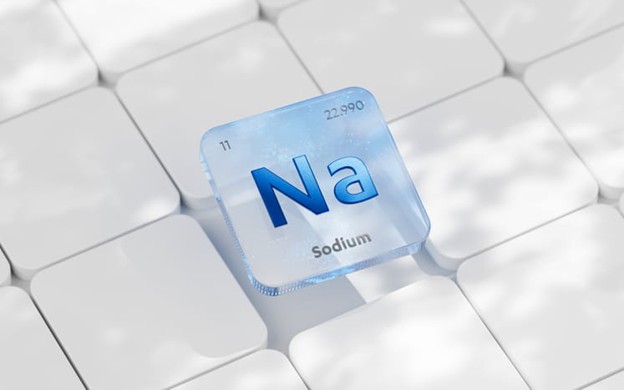
- Sodium
- Vitamin B12
A lack of folate, iron, and vitamin B12 can cause anemia, leading to hypotension. A lack of sodium impairs the body’s ability to maintain healthy blood volume, also leading to hypotension.
Heart And Neurological Conditions
Hypotension can also indicate there’s a significant health issue causing low blood pressure. Health issues that can cause hypotension include:
- Heart problems, such as:
- Arrhythmias
- Bradycardia
- Heart attack
- Heart failure
- Heart valve defects or diseases
- Neurological conditions, such as:
- Multiple sclerosis
- Multiple system atrophy
- Parkinson’s disease
Diabetes can also cause hypotension.
Medication-Related Causes
Many medications are on the list of what causes low blood pressure in elderly people. These medications include diuretics, which increase urinary output and prompt the body to expel more sodium in its urine. Consequently, people on diuretics may suffer from the effects of dehydration and low sodium.
Other medications that can cause hypotension include:
- ACE inhibitors
- Alpha-blockers
- Antidepressants
- Beta-blockers
Some drugs for treating diabetes and Parkinson’s disease can also cause hypotension.
Alcohol And Drugs
Consuming alcohol while taking some drugs can cause hypotension. There’s a risk of hypotension if someone consumes alcohol while taking the following:
- Blood pressure medications
- Morphine
- Oxycodone
- Valium
- Xanax
Symptoms To Watch For
Symptoms of hypotension include:
- Behavioral changes
- Cold extremities
- Confusion
- Dizziness
- Fatigue
- Fainting
- Lightened skin color
- Low urine output
- Nausea
- Shallow breaths
- Vision issues
- Vomiting
Treatment And Prevention Strategies
Ways to prevent hypotension include:
- Drinking plenty of water: Ensure your older loved one or the older adult you care for drinks enough to prevent dehydration.
- Eating healthy meals: You can help prevent older adults from suffering from hypotension by ensuring they get enough essential nutrients in their diet.
- Encouraging slow, careful movements: Getting up too fast can cause blood pressure to drop. Moving slowly and carefully when standing can help prevent orthostatic hypotension.
- Monitoring medications: Be aware of the potential side effects of medications and monitor older adults for any signs of hypotension. Consult with their physician if you think medication may be affecting their blood pressure.
Some older adults may also benefit from staying in a skilled nursing facility after an injury or a diagnosis with health implications. Skilled nursing teams include dietitians who help ensure residents get the essential nutrients needed to prevent hypotension.
Additionally, older adults with mobility issues may be tempted to drink less to limit the number of times they need to go to the bathroom because they’re afraid of falling. Spending time at a skilled nursing facility can ensure they have the support needed to move safely and learn to use assistive devices, helping them regain or retain their independence.
When To Seek Medical Care
If your loved one is struggling with confusion and dizziness, it’s time to seek medical care. Any symptoms that could result in serious injury should be addressed immediately. With the support of skilled nursing professionals, your loved one can get the nutrients they need to maintain their health. Skilled nursing teams also manage medications and address any concerns about side effects of residents’ medications that could cause hypotension.
With Monument Health’s skilled nursing team working with your loved one to help them adjust to health issues, you can be confident they’ll receive expert support to get and stay as healthy and independent as possible.