What Causes Dizziness In The Elderly?
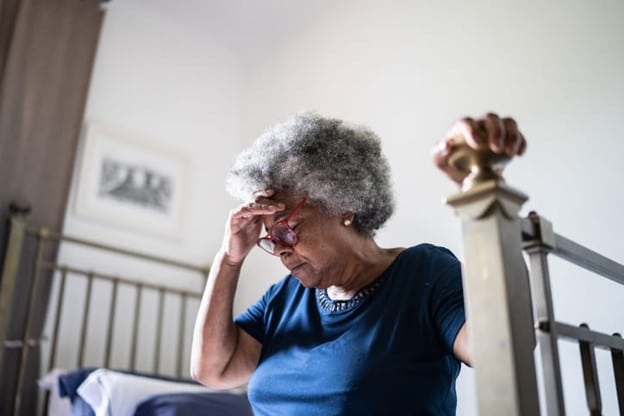
Dizziness in the elderly can be a serious problem. It’s especially troublesome because it can lead to falls, the number one reason for hospitalization in the elderly across the United States and in Utah.
But what causes dizziness in seniors, and what can be done about it? Dizziness can be caused by many medical issues, conditions, and even lifestyle habits. While occasional lightheadedness can seem harmless, if it persists, there could be an underlying cause that should be checked out by a physician.
Since dizziness can result from several underlying conditions, proper medical evaluation of the kind we provide at Monument Health can make the difference between a trip to the hospital and remaining independent.
If you or your loved ones have suffered a fall or are suffering from dizziness, skilled nursing care or memory care might be right for you. In Utah, Monument Health is the premier provider of these services.
Why Is Dizziness Common In Older Adults?
Dizziness is common in older adults due to a number of factors associated with aging. As we age, our bodies change in significant ways, often leading to undesirable traits, like increased instances of dizziness or even a chronic condition with dizziness as a side effect.
In many cases, dizziness is not caused by a single issue but by a combination of them. Balance, vision, circulation, strength, and nervous system function can all be impacted or reduced in the elderly, contributing to dizziness issues.
The elderly are also often on an increased number of medications, of which dizziness can be a side effect. Chronic conditions such as heart disease, some neurological conditions, and inner ear problems can all cause dizziness as well.
Finally, changes associated with aging can also create conditions where lifestyle habits that cause dizziness are easier to form, such as dehydration, reduced appetite, and low blood pressure.
Common Causes For Dizziness In The Elderly
Dizziness is a broad term for a number of feelings that may include lightheadedness, the room “spinning,” or sudden unsteadiness or imbalance. In many cases, there is no single cause for the condition, but a number of factors may come into play.
Some of the most common causes for dizziness include:
Inner Ear Conditions And Vertigo
The inner ear plays a crucial role in balance in all people, but the mechanisms that control this balance can degrade with age, making vertigo conditions more prevalent. Vertigo is a condition that makes it seem that the environment is spinning when it is not.
If you suspect you may have vertigo, see a doctor right away, as this condition is associated with falls and a loss of independence if not treated quickly.
Medication Side Effects
Many medications, including blood pressure medicine, diuretics, sedatives, and more can have dizziness as a side effect. If you’re experiencing a new onset of dizziness and you’ve just changed your medication, speak with your doctor.
Low Blood Pressure And Heart Conditions
Low blood pressure and other heart conditions can cause dizziness due to low blood volume, limited circulation, and other issues that keep blood and oxygen flowing to the body and brain. Keeping blood pressure within acceptable limits and the heart healthy is key to limiting falls and other health hazards.
Neurological Conditions
Some neurological conditions, such as stroke, Parkinson’s disease, and multiple sclerosis can also contribute to bouts of dizziness. Sudden or severe episodes should always be evaluated by a physician.
Dehydration
Make certain to keep hydrated, as dehydration can lead to temporary dizziness. Older people tend to receive fewer signals from their bodies for thirst, so it’s important to keep water close at hand.
If you are experiencing particularly intense episodes of dizziness, or episodes of dizziness are becoming more frequent, you should speak to your doctor. You may have an underlying condition, like the ones mentioned above, that can put you at serious risk for falls or other accidents that can even be deadly.
Fall Risks Associated With Dizziness
Each year, about three million older Americans across the United States are hospitalized for falls. Women represent more than half of hospitalizations for falls, and each year, hospitalizations for falls increase. It is safe to say falls are a serious concern for the elderly.
Addressing dizziness early can help reduce fall risk and improve confidence.
Monument Health Can Help
At Monument Health, we understand the challenges that dizziness can create for older adults and their families. If you or your loved ones are at risk for falls or have a condition associated with dizziness that requires significant medical attention, Monument Health is here to help.