When Is It Time For Skilled Nursing Care?

Trying to decide when skilled nursing is necessary can be a challenge. Keep reading to learn more about when skilled nursing is necessary and the signs it’s time for a nursing home or skilled nursing care.
What Is Skilled Nursing Care?
Skilled nursing care is medical care meant to treat, manage, or monitor a medical condition. This type of care can only be performed efficiently by or under the guidance of a medical professional.
What’s The Difference Between A Skilled Nursing Facility, Assisted Living, And Home Care?
According to the National Institute on Aging (NIH), the main differences between skilled nursing vs. assisted living is mostly the level of care the patient requires.
Skilled Nursing Facilities
It can be a bit confusing to define what skilled nursing care is as patients may receive skilled nursing care in various facilities, such as nursing homes.
However, in general, skilled nursing facilities are meant to be short-term rehabilitation facilities for patients who have recently had surgery, been severely ill, or are recovering from a serious injury.
Assisted Living Facilities
Assisted living facilities are residential facilities that provide various levels of assistance for seniors who are beginning to struggle caring for themselves independently, but do not require the extensive medical care of a nursing home.
Assisted living facilities provide services, such as assistance with activities of daily living, meals, housekeeping and laundry services, etc.
Home Care
Home health services are when rehabilitation services or skilled nursing services are provided in your home. For some patients, this can offer a more convenient and affordable option for care.
When Is Skilled Nursing Necessary?
The following may be signs it’s time for skilled nursing services:
- You live alone and are recovering from surgery, a major illness, or an injury.
- You are struggling to keep up with housework, personal hygiene, and/or to properly feed yourself.
- You are struggling to keep up with your medical needs (such as missing doctor’s appointments, failing to care for wounds, missing doses of medication, taking too much medication, not remembering to refill prescriptions, etc.).
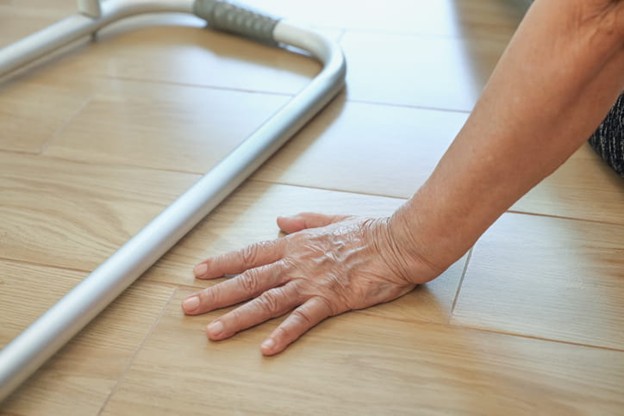
- You are experiencing falls more frequently.
- You have a medical condition that is tough to manage independently.
- Loved ones are beginning to have safety concerns.
- You are exhibiting increasing issues with memory.
Medical Conditions That Often Require Skilled Nursing Care
- Recovering from surgery.
- Recovering from a traumatic injury.
- A worsening chronic condition, such as diabetes, multiple sclerosis, Parkinson’s disease, etc.
- Having recently had a major medical event, such as a heart attack or stroke.
- Severe dementia or Alzheimer’s disease.
When Should Patients Make The Transition From The Hospital To Skilled Nursing Care?
When their doctor has signed off on it. The staff at a skilled nursing facility are experts at helping patients with mobility issues transfer in and out of bed, assisting them with activities of daily living, and providing necessary medical care.
What Services Do Skilled Nursing Facilities Provide?
Monument Health offers comprehensive skilled nursing services to patients in Utah. While every skilled nursing facility offers varying levels of services, most tend to offer a similar range of services.
Our skilled nursing services at Monument Health include:
- Semi-private rooms
- Onsite doctors
- 24-hour nursing staff
- Onsite rehabilitation services, such as physical therapy
- Wound care
- Assistance with activities of daily living
- Medication management (including IV therapy)
- Tube feeding
- Dietary counseling
- Onsite dialysis
Who Qualifies For Skilled Nursing Care?
The qualifications for skilled nursing care often vary, but the main qualification is that you medically require this level of care.
Many facilities will go by a version of Medicare’s guidelines, which are:
- You have Medicare Part A, with days left in your benefits period (for Medicare recipients).
- You have a “qualifying in-patient hospital stay.”
- You enter the skilled nursing facility (SNF) within 30 days of being released from the hospital.
- Your healthcare provider has signed off on you needing care at a SNF.
- You receive care at a Medicare certified SNF.
- You require care at a SNF to treat an ongoing condition or to treat a new condition that began while you were receiving treatment for an ongoing condition.
- You require skilled nursing care to treat, maintain, or improve your current medical condition.
How Long Is The Typical Stay At A Skilled Nursing Facility?
Roughly 64% of skilled nursing residents stay for about 25 days.
How Can Monument Health Assist Patients And Families With Understanding Their Skilled Nursing Care Options?
Our staff at Monument Health are ready to answer any questions you may have. You can also take a tour of our facilities to properly experience everything we have to offer.
We suggest bringing a list of questions, along with the Medicare Checklist, to ensure you’re not overlooking anything important to you and your loved one.