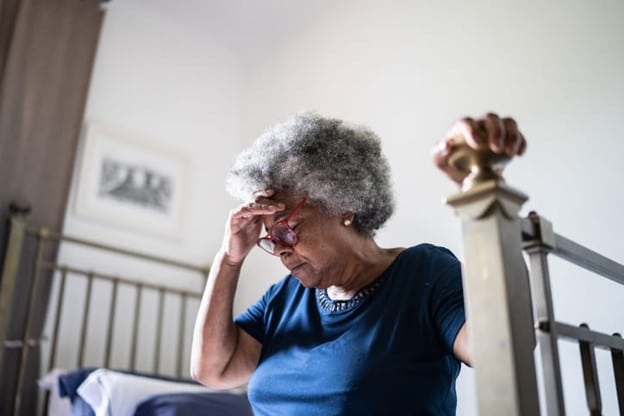
Caregiver Burnout: Signs, Symptoms, And When To Ask for Help

Caregiving for an aging parent or loved one is at once one of the most rewarding experiences and among the most exhausting. You may be supporting an aging spouse, parents attempting to age in place, or another loved one, but over time, these rewards may become burdens.
But when are those burdens too great to bear? And when should you ask for professional help?
Recognizing caregiver burnout symptoms early can help protect your own health and sanity, while continuing to provide the care your loved ones deserve. When things become too much, consider Monument Health. We offer memory and skilled nursing care in facilities across Utah.
What Is Caregiver Burnout?
Caregiver burnout is a state of emotional and physical exhaustion that results from caregiving duties for a loved one. Caring for others, particularly when this labor is unpaid, while rewarding, can be stressful and sometimes overwhelming.
Caregiver burnout often results from consistently putting others’ needs above your own. While this may be noble, there often comes a point where it is no longer sustainable. Unlike normal stress or fatigue, caregiver burnout can negatively affect many aspects of life, such as outside responsibilities, work, other relationships, and more.
Left unaddressed, burnout can lead to reduced quality of care for those who need it, as well as reduced quality of life for those giving care.
What Are The Most Common Signs And Symptoms Of Caregiver Burnout?
Everybody experiences caregiver burnout differently, but there are some common symptoms. Symptoms are often divided into mental, emotional, and physical categories.
Mental symptoms can include psychological disorders, such as depression or anxiety, feeling overwhelmed or constantly worried, helplessness, and feeling resentment toward the person you’re giving care to.
Emotional symptoms can include increased irritability, withdrawing from family and friends, neglecting personal needs, using unhealthy coping mechanisms, such as alcohol, and feelings of isolation or that “no one is helping.”
Caregiving exhaustion can manifest physically as well. Symptoms may include deep exhaustion, sleep disorders, headaches, changes in weight, and being more prone to sickness.
If you have any of these symptoms, especially if you have multiple symptoms, it might be time to consider professional help of the kind we offer here at Monument Health.
What Causes Caregiver Burnout?
Caregiver burnout is caused by the emotional, physical, and mental strain of caring for another person. There may be long hours of caregiving on top of other responsibilities, there may be financial pressure, and caregivers may simply feel overwhelmed.
It is also difficult to watch the health of a loved one, especially someone who may have cared for you in the past, decline. Caregiving is often emotionally and physically challenging on many different levels.
Who Is Most At Risk For Caregiver Burnout?
Anyone can experience caregiver burnout, but those most at risk are usually attempting to tackle caregiving alone and without any outside support. The risk is often higher if there is minimal financial or social support.
The type of care can also contribute as well. Caregiving for people with dementia and other memory issues, as well as those with complex and chronic conditions, are more at risk for burnout.
When Should A Caregiver Ask For Help?
Caregivers should ask for help before they feel overwhelmed. Seeking help early can help prevent burnout from becoming severe, as well as ensure a healthy continuity of care for your loved one.
Caregivers can help prevent burnout by taking regular breaks, prioritizing your own health and sanity, and by setting realistic expectations. However, this isn’t always possible.
You should consider professional help if you feel exhausted and are having trouble managing your other responsibilities. You should also consider professional help if your loved one’s medical issues are becoming too complex or too dangerous to handle alone.
Finally, if you are showing any symptoms of mental illness, such as depression or anxiety, or you are beginning to feel resentful of the person you are caring for, reach out to Monument Health for help.
How Can Monument Health Help?
Caregiving can be demanding, and sometimes it’s best left for the professionals. At Monument Health, we offer a number of top-class facilities in convenient locations across Utah, so your family members can be taken care of close to home.
We specialize in both memory care, as well as skilled nursing care, and when you choose Monument Health, you choose peace of mind that your loved ones are in the best hands in the state.