How To Choose The Right Caregiver For An Aging Loved One

Your aging loved one may need care to ensure their well-being. With over 90% of people 65 and older suffering from a chronic health condition, your aging loved one may need help with personal care, medication management, and more.
Knowing how to choose a caregiver and the best environment for your loved one will help ensure they enjoy the best quality of life as they age.
What Types Of Caregivers Are Available?
The types of caregivers available include:
- Family caregivers: One or more family members provide care. This may be provided in the aging adult’s home or in the family member’s home.
- Home health aides: Home health aides help with personal care, provide or arrange transportation, and look after your loved one’s home. They may also provide limited medical support, such as medication management.
- Personal care aides: Personal care aides help with bathing, dressing, and other routine tasks. Other duties include cleaning the house, cooking, buying groceries, and providing transportation. They provide these services at your loved one’s residence.
- Skilled nursing facility staff: What is a skilled nursing facility? Skilled nursing facilities are residential facilities where older adults live while recovering from surgery, illness, or an injury. Skilled nursing facilities employ medical professionals, such as doctors, registered nurses, nursing assistants, physical therapists, and occupational therapists. They help residents with daily personal care tasks and follow a customized care plan for each resident.
What Questions Should You Ask Before Hiring A Caregiver?
When choosing a caregiver or skilled nursing facility, ask clear questions to ensure the caregiver or facility can provide all the care your loved one needs.
Things to ask include:
- How much do their services cost? Medicare may cover some costs. If your loved one has health insurance, their insurance company may cover some costs as well. It’s important to verify this and choose a caregiver or facility that Medicare or the insurance company will pay for.
- What relevant experience do they have? Ask for references.
- What credentials do they have? Ask to see certifications.
- What times of day will your loved one receive care? Do they have flexibility with their schedule?
- What type of care do they provide? For example, if the caregiver doesn’t clean or do laundry, you’ll need to make alternate arrangements for those tasks.
- Do they provide medication reminders or management? Your loved one has to take their medication themselves if they only provide reminders. Caregivers who provide medication management ensure they take their medications as prescribed.
- What daily documentation do they provide? Confirm that they communicate with other caregivers and family members, and how they do this.
Other questions to ask include:
- Do they have reliable transportation?
- What is their protocol for calling out?
- What is their protocol for inclement weather?
Many of the above questions still apply if you’re determining how to choose a skilled nursing facility. Tour the facility, ask about staffing hours, staff credentials, and staff-to-resident ratios.
Monument Health provides a guide to moving a parent to skilled nursing that highlights the process and tips for how to find the best skilled nursing facility in Utah.
What Qualifications And Experience Matter Most?
You will want to run a background check if you’re hiring a caregiver. If you’re using an agency that provides caregivers or considering a skilled nursing facility, you’ll want to ensure their staff have up-to-date credentials and are licensed for the services they provide.
CPR and First Aid training should be mandatory for caregivers as well. Caregivers providing medication management must be authorized by their state to function as a certified medication technician or be a licensed or registered nurse.
How Do You Determine The Right Level Of Care?
To determine how much care your aging loved one needs, you’ll need to assess their cognitive, mental, and physical health.
You’ll want to determine whether they can:
- Bathe independently
- Dress themselves
- Clean
- Cook
- Manage their finances
- Manage their medications
- Move with a steady gait
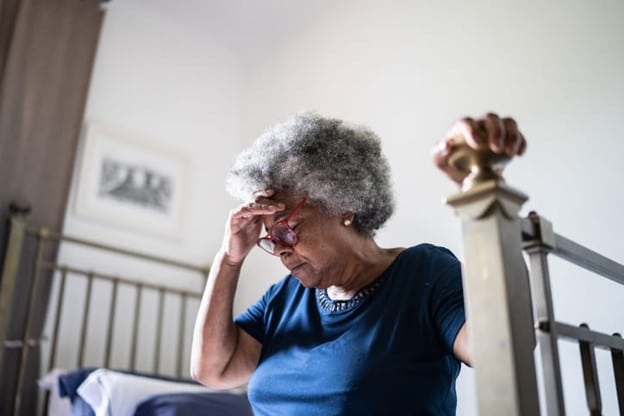
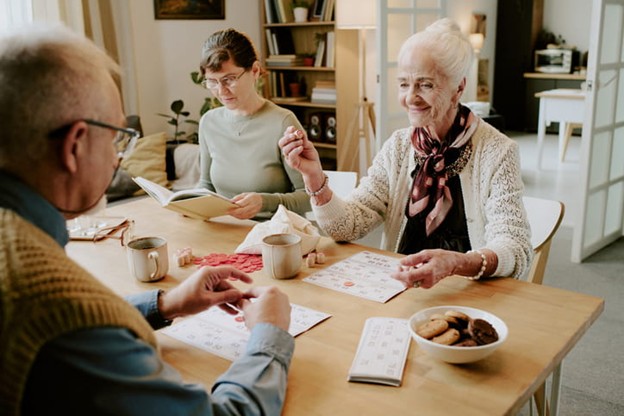
If your loved one can’t dress or perform other activities of daily living, has mobility issues, or is forgetful, these are reasons for higher levels of care. You should also consider their emotional well-being. Depression can adversely affect an aging person’s health, and they may benefit from having a caregiver spend time with them and take them to social outings if they’re struggling with social isolation.
What Are Signs Your Loved One Needs Skilled Nursing Rather Than In-Home Assistance?
If your aging loved one was recently hospitalized for an illness or injury or had surgery, they may need skilled nursing care instead of in-home assistance. Skilled nursing facilities provide around-the-clock staffing and customize treatment plans, including physical therapy, occupational therapy, and other treatments as needed. The goal is to help residents recover so they can return home.
Unfortunately, you may find yourself dealing with what happens when a loved one refuses help. Your loved one may not want to relocate, even temporarily. Touring a facility can help alleviate their fears and ease the transition.
How Can Monument Health Group Help?
Monument Health provides personalized care for residents, ensuring they receive the treatment needed to restore their health. Monument Health also values the role of family in senior care. Family members are encouraged to attend team meetings and provide input.
We also welcome visits from family members while their loved one is staying with us. Our medical team will communicate with family members, ensuring you’re aware of your loved one’s progress, and we’ll help you prepare for their transition when they’re ready to return home.