What Are The Steps To Help Seniors Manage Anxiety?
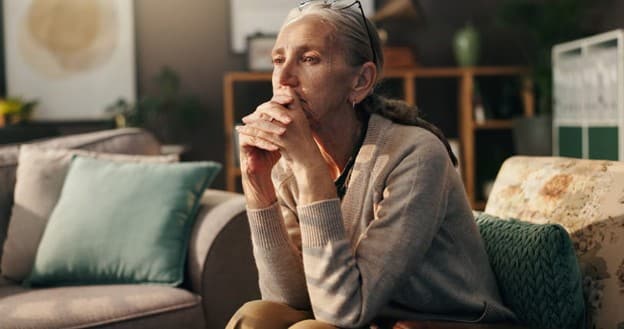
According to The American Association for Geriatric Psychiatry (AAGP), anxiety in seniors is a common issue affecting somewhere between 10% to 20% of people in this demographic. Keep reading to learn how to ease anxiety in the elderly today.
What Causes Anxiety In Older Adults?
According to The National Council on Aging (NCOA), there isn’t one root cause of anxiety in seniors, but rather it is likely a combination of environmental and situational factors that can cause excessive anxiety.
The NCOA notes that risk factors for anxiety in seniors can include:
- Distressing life events
- Mobility issues
- Loss of independence
- Financial stress
- Insomnia and other sleep issues
- Chronic illnesses and health conditions
- Medication side effects
- Abuse or misuse of prescription drugs or alcohol
- Childhood trauma
What Are Some Common Signs Of Anxiety In Seniors?
Signs and symptoms of anxiety can include:
- Feeling extreme worry or dread
- Relying heavily on routine or struggling to adhere to a routine
- Avoiding socializing
- Becoming preoccupied with safety
- Trouble sleeping
- Collecting or “hoarding” items
- Muscle tension
- Rapid heartbeat
- Shaking or trembling
- Shallow breathing
- Perspiration
- Nausea
- Weakness
- Depression
- Self-medicating with central nervous system depressants, such as alcohol or certain prescription medications
What Steps Need To Be Taken To Help Anxiety In Seniors?
Anxiety in seniors can be treated with a combination of talk therapy, cognitive behavior therapy, and/or certain medications to treat the specific source of the problem.
As soon as your loved one is ready to address their struggles with anxiety, it’s important to seek professional help from a healthcare provider.
If anxiety is left untreated, it can lead to decreased physical health, cognitive issues, depression, disability, and a reduced quality of life.
What Daily Habits Can Reduce Anxiety In The Elderly?
In addition to seeking professional help for mental health assessment, the following may be beneficial for dealing with anxiety in the elderly:
- Getting seven to nine hours of sleep every night
- Adapting stress management techniques, such as yoga, meditation, breathing exercises, etc.
- Avoiding stimulants (nicotine, caffeine, etc.)
- Regular exercise
- Limit time watching/reading the news
- Talking it out with a trusted friend, family member, spiritual advisor, or therapist
What Can Family Members Do To Offer Emotional Support?
- Practice active listening without making any judgements about their feelings
- Avoid arguing against irrational fears
- Acknowledge that their feelings are valid and offer words of reassurance
- Limit how much negative or stressful news you expose them to during conversations
- Encourage them to exercise, socialize, and seek professional help, while establishing that you are also there for them and ready to talk
Many also wonder, “What happens when a loved one refuses help?” If you’re a caregiver, establishing a daily routine in addition to the above suggestions may assist with anxiety in seniors. The process can be daunting, and caregivers should be aware of caregiver burnout signs and symptoms.
How Does Skilled Nursing Care Support Seniors Facing Anxiety And Other Health Challenges?
There are many ways that skilled nursing care can benefit anxiety in seniors. For example, loneliness is a known risk factor for anxiety, and anxiety can even be triggered by social isolation and loneliness. Therefore, attending social events at a skilled nursing facility or senior center can be a great way to combat loneliness in seniors.
In addition to more robust social support, skilled nursing gives patients access to the medical care they require to live their best lives. Skilled nursing facilities, like Monument Health, provide patients with compassionate and comprehensive medical care.
Services Offered At Monument Health That May Ease Anxiety In Seniors
- Personalized care plans
- Medication management
- Pain management
- Chronic disease management
- Assistance with activities of daily living for residents (grooming, laundry, mobility assistance, meals, etc.)
- Planned daily activities for residents
- Rehabilitation services, such as physical therapy, speech therapy, and occupational therapy
- Onsite doctors
- 24/7 access to registered nurses
- Long-term care options
Anxiety is the most common mental health problem amongst all adult women and the second most common for adult men, according to the AAGP. Unfortunately, anxiety often goes undiagnosed in older adults due to the increase in other medical conditions, difficult life situations, and/or prescription drug use being blamed for the issue.
By receiving professional mental healthcare and assistance from a skilled nursing facility, you can ensure a better quality of life for your loved one.