How Falls Increase Stroke Risk In Seniors
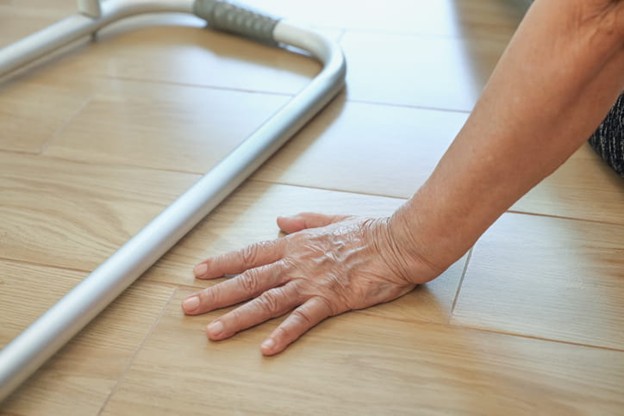
One of the biggest dangers that seniors face is a fall. More than any other condition or accident, falls put more seniors in the hospital each year across the United States than any other condition. Falls also contribute to thousands of senior deaths each year and cause untold mobility issues.
While falls may be isolated accidents, they may also be connected to greater health problems. In some cases, strokes or their complications may cause falls. Vice versa, falls may also trigger strokes or help create the conditions for them.
Through around-the-clock nursing care, valuable recovery tools, such as speech therapy, and a dedicated, compassionate team, Monument Health offers the best post-stroke care in Utah.
Why Falls Are Common In Seniors And Their Overall Health Impact
Falls are common in seniors for a number of reasons relating to the difficulties of age. Cognitive and physical decline, balance issues, vision issues, medication, and chronic health problems can all contribute to falls as we get older.
In the case of health conditions and medication, conditions that cause low blood pressure or blood sugar are especially dangerous, heart disease may be a cause, and conditions such as vertigo can play a part. Even something as simple as dehydration can be a contributing factor.
The consequences of a fall can be dire. Falls are the greatest risk of hospitalization for seniors and can lead to a loss of mobility and decline in quality of life. Seniors can also experience a loss of confidence in their balance or skills, and the injuries and recovery time associated can be extreme.
Importantly, falls can also contribute to stroke and vice versa.
Can A Fall Cause A Stroke In Elderly Adults? The Connection Between Falls And Increased Stroke Risk
The simple answer is yes; falls can trigger a stroke in older adults or contribute to conditions where a stroke becomes more likely. On the other hand, suffering a stroke can cause falls or contribute to them.
The first and most direct factor is head trauma. Falls can damage blood vessels in the head and brain that can directly or indirectly contribute to a stroke. Even slight head trauma can disrupt normal brain function. If you or a loved one hit your head, you should always be examined by a doctor.
The reduced mobility associated with a stroke or a fall can also contribute. Both strokes and falls can begin a vicious cycle — after a fall, seniors may limit movement due to pain or fear. A more sedentary lifestyle increases stroke risk, as well as contributes to the weakening of muscles and a loss of balance in the elderly.
Falls may also be an early indication of health issues and undiagnosed medical conditions. Low or high blood pressure, low blood sugar, vertigo, irregular heart rhythms, and other health conditions can all contribute to falls. By the same token, these may be indications of a serious medical condition that should be investigated by a doctor.
Any fall in the elderly should be taken seriously. Even if you or your loved one feel fine, there may be delayed medical complications, including increased risk for stroke.
Fall Prevention For Seniors: Practical Safety Tips On How To Reduce Falls
One of the best practical tips for preventing falls is recognizing the early warning signs of a stroke.
This includes:
- Weakness in the arms, especially on one side of the body
- Face drooping
- Numbness
- Difficulty speaking
- Confusion
- Vision problems
- Headache
- Loss of balance or coordination
If you or someone you love is experiencing any of these symptoms, call 911 immediately. Stroke outcomes are heavily influenced by the time of receiving care, and the earlier you get help, the better the outcomes.
Other practical tips for preventing falls include making the home safer, staying physically active, and having your doctor review your medications regularly to ensure they are not contributing to falls.
If a fall or a stroke does happen, Monument Health can provide compassionate care and offer the tools needed for recovery, like speech therapy.
How Monument Health Supports Fall Prevention, Recovery, And Stroke Care
Monument Health Group provides world class skilled nursing care right here in Utah. We help seniors recover from strokes, falls, and stays in the hospital, and provide the resources our patients need to get better.
Our facilities are both practical and state-of-the-art. Call us with any questions today or set up a tour of one of our many facilities located in convenient locations across the state.