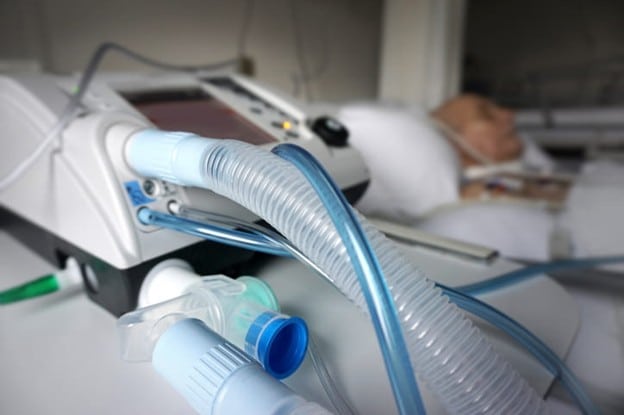
How Will I Feel On Dialysis?
If you or someone you love is told you may need dialysis, one of the first questions will likely be, “How does dialysis make you feel?” You’ll also likely want to know how dialysis works, if it will be painful, and how treatment will be administered.
Uncertainty can cause fear, but knowledge brings confidence. Today, we’ll answer a number of questions about dialysis that will help you or your loved ones understand the process, and hopefully, be a bit less fearful of it.
Monument Health proudly offers onsite dialysis services at our Murray Creek, Utah, location to make the process as seamless and easy as possible.
When receiving onsite dialysis, logistics are simpler, comfort and safety are maintained, and the overall experience is improved.
What Is Dialysis? Why May It Be Needed In A Senior’s Care Plan?
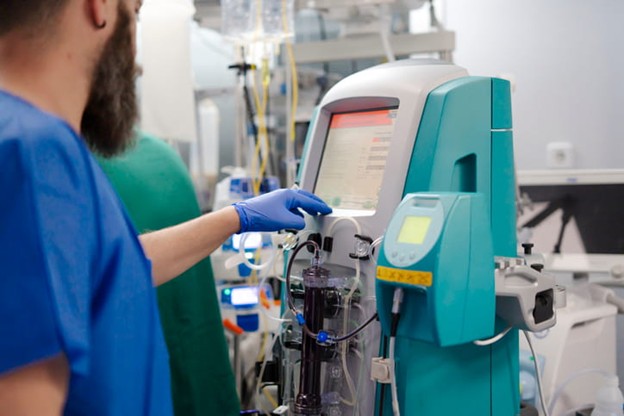
Dialysis is the mechanical process of cleaning the blood when the kidneys are no longer able to do so. During the process, the blood is pumped out of the body, cleaned with a series of filters, and then returned to the body. It is a lifesaving treatment for those with kidney issues.
In seniors specifically, dialysis may be necessary when kidney disease reaches an advanced stage, and the kidneys no longer function well enough to clean the blood effectively. Others may need dialysis starting early in life due to abnormalities in the kidneys.
Common Physical Sensations During And After Dialysis
So, what does dialysis feel like?
While feelings and sensations do vary from person to person, there are some commonalities many patients face. Many of these are due to an imbalance in hydration, electrolyte levels, and blood pressure in the body during the process.
These imbalances can cause muscle cramps and nausea. In some cases, patients may feel dizzy. However, after time with the process, many patients learn how their bodies uniquely tolerate dialysis and can learn how to minimize these side effects.
Fatigue is the most frequent side effect. The dialysis process can be difficult on the body, and this can cause general tiredness or exhaustion. This fatigue can last several hours, but most patients feel better by the next day.
Again, most patients adjust to the process over time. The body will become adjusted to the process, and patients learn more about what they need to feel better.
Practical Tips For Dialysis Preparation And Comfort In A Skilled Nursing Setting
Being prepared for dialysis can make a world of difference. The process generally takes a couple of hours, and most people receive treatment multiple times a week.
The first thing you or your loved ones should do to make the process easier is to follow all your doctor’s recommendations, especially concerning eating and hydration. This will help keep you physically strong and feeling well.
Next, always wear comfortable clothes and bring personal entertainment items. Books, headphones, tablets, and even portable video game systems can make the process go by faster.
You should also plan for rest before and after the procedure. You’ll likely want some quiet time without activities after the process, and many patients like to take a nap after receiving treatment.
Finally, if you are having symptoms or feeling unwell, always tell a staff member. They may be able to adjust the care to improve your symptoms. Never feel afraid to ask for anything. Your care is what we’re here for.
How Monument Health’s Skilled Nursing Staff Support Dialysis Patients
In our skilled nursing facilities, we make licensed nurses available around-the-clock for your comfort and care, including during dialysis. Our care goes beyond treatment itself, and we ensure the whole patient is cared for, not just their ailment.
Monument Health offers the best facilities, with expertly trained staff, in multiple locations across Utah. Our Murray Creek location offers onsite dialysis as well to ensure you or your loved ones receive continuity of care, nutrition support, and medication monitoring, right from the comfort of our facility.