The Role Of Dietitians In Skilled Nursing Facilities

Just as nutrition plays a critical role in the health of individuals, dieticians play a critical role in both the health of our patients and our organization. Our senior dieticians help patients receive balanced, nutritious meals that support both medical and personal needs.
As people age, especially if they have chronic or multiple health challenges, dietary choices become both more restrictive and more crucial. Our highly skilled and highly trained dieticians help ensure all our patients get the meals they need.
For excellent nutritional support, no matter the age or health conditions, think Monument Health.
What Are The Primary Responsibilities Of Dietitians In Skilled Nursing Facilities?
Dietitians in skilled nursing facilities are responsible for assessing the nutritional and dietary needs of residents and developing care plans that support health goals and personal preferences.
They help monitor nutritional status, recommend modifications to dietary procedures, and ensure all meals align with overall facility goals, as well as individual tastes and dietary needs. These goals are particularly complex when several different medical conditions and needs are present in a single facility.
Dietitians also collaborate with other healthcare professionals in skilled nursing facilities to educate residents about nutrition, ensure goals align with treatment plans and medication, and ensure residents are getting adequate nutrition alongside therapies and medications that may affect eating and hydration.
How Do Dietitians Support Residents Overall Health And Well-Being In Skilled Nursing Facilities?
Food and nutrition are directly tied to overall health. From the healthy number of calories needed to maintain or lose weight to supplemental nutrition required for specific medical conditions, diet affects both overall health and individual infirmities.
Dieticians carefully balance the unique needs of every patient to ensure they are getting the appropriate nutrition for their situation, as well as meals that suit their personal preference for taste and other factors.
How Do Dietitians Develop Individualized Meal Plans For Residents?
Like all other treatment plans at Monument Health, creating meal plans begins with a thorough assessment of individual health and needs, as well as their food preferences and restrictions.
Key elements of a dietician’s assessment include everything from medical diagnoses to weight history to laboratory values and medications. The functional ability to eat independently and presence of wounds or other practical issues that may prevent nutrition intake may also play a part.
From these elements, our expert dieticians work to create the perfect plan for your loved one that is practical, comfortable, familiar, and tasty.
Meal plans are also regularly updated as patient’s medical needs and tastes change. Any signs of malnutrition or dehydration are taken seriously.
Qualifications To Become A Dietitian Working In Skilled Nursing Facilities
Our dietitians typically hold specialized education credentials that ensure they are well-trained, friendly, and particularly competent. A bachelor’s or master’s degree is typical, which includes completion of supervised clinical training, passing of exams, and state or national licensure.
You can rest assured our dieticians are among the most highly trained and competent in the entirety of Utah.
What Is The Impact Of Dietitian-Led Nutritional Interventions On Resident Outcomes?
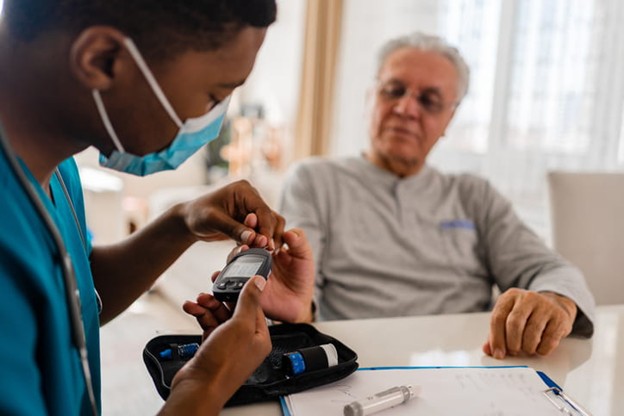
Research shows that proper nutritional care improves outcomes in skilled nursing facilities and other care facilities, such as memory care. Dietician-led interventions can improve medical markers, like glycemic control, indications of malnutrition and hydration, and can improve the overall health of critically ill patients.
Early intervention from our dieticians can also help prevent further complications with medication or medical procedures. Overall, our dietary staff are a crucial part of our care teams that work closely with other team members to ensure the best health outcomes possible for our residents.
How Do Dietitians Educate Staff And Residents About Nutrition In Skilled Nursing Facilities?
Education is one of the most important roles our dieticians play, especially for our short-term residents. Our dieticians not only help plan meals during stays in our facilities, but they can also help our patients plan meals and dietary guidelines for years of continued health.
Our dieticians can help our patients, families, and staff understand healthy eating habits, practical feeding techniques with dietary challenges, disease-specific nutrition plans, and more.
Providing high-quality education ensures nutrition remains a priority throughout the facility, and afterward as well.
What Are The Benefits Of Having A Dietitian On Staff In A Skilled Nursing Facility?
Staff dieticians are truly invaluable for our organization and the health of our patients. Benefits include improved resident health outcomes, reduced risk of complications, patient comfort and satisfaction, and support for rehabilitation and recovery.