What Is The Difference Between A Tracheostomy And A Tracheotomy?
Tracheotomy and tracheostomy are similar medical terms, and they’re related, so it can be confusing for those unfamiliar with these terms to understand the difference.
When considering immediate care after a tracheotomy and long-term care for a tracheostomy, it helps to understand these terms and their relationship.
What Is A Tracheotomy vs. Tracheostomy?
You may be wondering, “What is the difference between a tracheotomy and a tracheostomy?” Although they’re related, there is an important difference between a tracheotomy and a tracheostomy.
A tracheotomy is a medical procedure. A tracheotomy involves a surgeon cutting a hole in the windpipe, also known as the trachea.
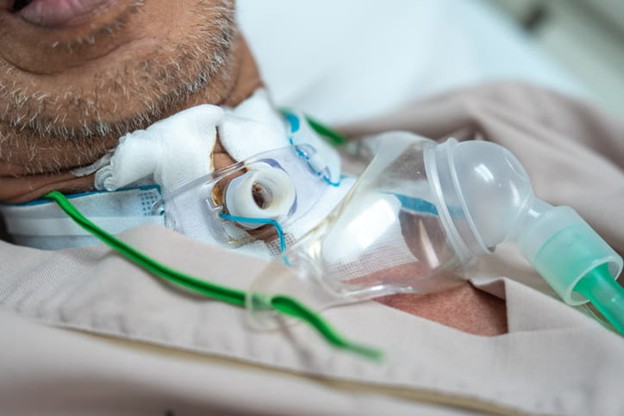
The tracheostomy is the hole created during the tracheotomy.
Why These Procedures Are Needed
A tracheostomy ensures a person can get enough oxygen. Common reasons people need a tracheostomy include:
- Airway obstruction
- Health conditions, including:
- Bronchopulmonary dysplasia (BPD)
- Chronic obstructive airways disease (COPD)
- Haemangioma
- Infection
- Neuromuscular disorders
- Neck injuries
- Paralysis
- Spine injuries
- Surgery
- Tracheal stenosis
- Tracheomalacia
- Tumors
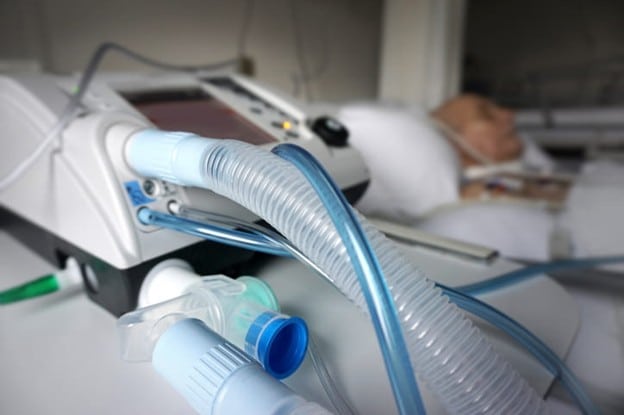
People may also need a tracheostomy if they’re on a ventilator for an extended period.
What To Expect After The Procedure
After a tracheotomy, patients typically spend several days recovering in the hospital.
Individuals with a tracheostomy must learn to care for their tracheostomy, which involves the following:
- Changing the tracheostomy tube
- Cleaning the tracheostomy tube
- Suctioning mucus from the airway
A speech therapist can teach an individual with a tracheostomy different techniques that enable them to speak or how to use assistive devices. Speech therapists also teach these individuals how to eat and swallow food safely.
Risks And Considerations
Although receiving a tracheotomy and tracheostomy is a safe surgical procedure, every medical procedure has risks.
Some of the risks of a tracheotomy include:
- Air buildup
- Bleeding
- Damage to the esophagus
- Damage to nerves in neck
- Damage to the thyroid gland
- Damage to the windpipe
- Hematoma
- Incorrect tube placement
- Infection
- Lung collapse
- Tube movement
Some individuals may also experience irritation after their tracheotomy. With proper care, it is possible to prevent infections and other complications. Proper tracheostomy care helps individuals regain their independence and ability to speak and eat, restoring their quality of life.
When Skilled Nursing Is Needed
Skilled nursing facilities provide ongoing respiratory support for individuals with a tracheostomy. Individuals who are unable to change and clean their tracheostomy tube effectively may need assistance. Caregivers in skilled nursing facilities monitor patients with tracheostomies to help prevent infections and identify signs of complications.
How Monument Health In Murray Creek Can Help
If your loved one has a tracheostomy, they’ll appreciate the value of being a Monument Health patient. You can be confident your loved one will receive expert monitoring and support from highly trained medical professionals and caregivers who have extensive experience with tracheostomies.
At Monument Health in Murray Creek, our team provides expert care for individuals at risk of developing pneumonia, respiratory syncytial virus (RSV), and other conditions that can impair their ability to get enough oxygen. Our teams closely monitor these residents to ensure they receive a tracheostomy if their condition impairs breathing.
Our teams also support residents with tracheostomies, ensuring their tubes are changed, cleaned, and positioned correctly. We provide all appropriate respiratory management and support needed to promote each resident’s health and quality of life.
We also have speech therapists who help people regain muscle strength after a tracheotomy so they can swallow. Our speech therapist also teaches these individuals various techniques to help them produce sounds and regain their speech.
Lastly, our occupational therapist uses exercises to help individuals regain fine motor skills and hand strength, so they can care for their tracheostomy tube. Our occupational therapist teaches residents with tracheostomies how to care for their tracheostomy tubes.
Where Care Is Available
Monument Health’s Murray Creek location in Utah provides expert tracheostomy care for individuals after a tracheotomy.
Whether your loved one needs short-term support while adjusting to their tracheostomy or long-term care for their tracheostomy and related health issues, the team at Monument Health in Murray Creek will develop a unique treatment that considers their needs and treatment goals.
Our medical professionals, caregivers, and therapists will provide the monitoring and support needed to help your loved one achieve their goals and restore their quality of life.