Tips For Managing Arthritis In The Elderly In Skilled Nursing Care
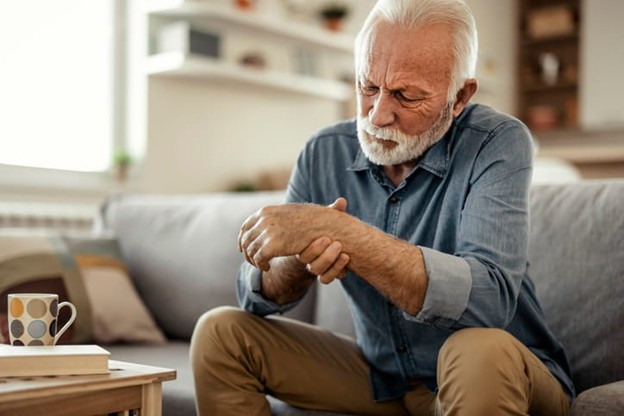
Arthritis is the third most common condition affecting older adults, affecting 51% of those 65 and older.
Symptoms include:
- Discoloration around the joint
- Joint pain
- Stiffness
- Swelling
Arthritis also reduces a person’s range of motion and increases the risk of falling.
Given its prevalence among seniors, managing arthritis is an essential part of the care provided in skilled nursing facilities. Understanding how skilled nursing care facilities support and improve the quality of life of seniors with arthritis will help you understand the benefits of choosing skilled nursing care if you or a loved one has this condition.
Types Of Arthritis Commonly Seen In Seniors
There are several types of conditions affecting joints that fall under the ‘arthritis’ label, including:
- Gout
- Osteoarthritis
- Psoriatic arthritis
- Rheumatoid arthritis
While rheumatoid arthritis and osteoarthritis are the most common types of arthritis, osteoarthritis is the most common among seniors. Osteoarthritis is also one of the leading causes of physical disability amongst this age group.
Who’s At Risk?
Risk factors for arthritis include:
- Age: As you age, your risk of developing some types of arthritis increases.
- Gender: Women are more likely to get arthritis, although some types, such as gout, are more common among men.
- Genetics: Your chances of getting arthritis are higher if immediate blood relatives, such as your parents, have arthritis.
- Joint injuries: You have an increased risk of getting arthritis in a joint you previously injured.
- Obesity: The stress on your joints from excess weight increases the risk of arthritis.
Overuse of your joints can also increase your risk of osteoarthritis.
Daily Routines And Joint-Friendly Activities Supported In Skilled Nursing Care
Skilled nursing facilities promote daily routines that support individuals living with arthritis. Daily routines and joint-friendly activities supported in skilled nursing care include:
- Eating: Clinical nutritionists can customize diet plans, helping these individuals maintain a healthy weight and get the nutrients needed to reduce inflammation and pain.
- Education: Skilled nursing teams teach residents how to protect weaker joints when moving and performing tasks.
- Exercising: Physical activity is an effective form of pain management and helps keep joints flexible. Chair yoga and tai chi are examples of activities that help maintain bone and muscle strength, prevent joint stiffness, and improve mobility.
In addition to daily activities that promote joint health, skilled nursing teams assist all residents as needed. Those with limited mobility due to arthritis may receive help using assistive devices.
Staff will provide other essential services, such as assisting with bathing and other daily tasks, as necessary.
Arthritis Pain Management Strategies
Effective ways to manage arthritic pain include the following:
- Cold and heat: Applying cold packs helps reduce inflammation. Applying heat helps reduce stiffness.
- Diet: Eating anti-inflammatory foods helps reduce joint pain.
- Low-impact exercises: Individuals with arthritis should avoid exercises that can aggravate joint pain and focus on low-impact exercises, such as chair yoga, tai chi, Pilates, and walking.
- Medication: Nonsteroidal anti-inflammatory drugs (NSAIDs) can help reduce inflammation and pain.
- Therapeutic services: Individuals with arthritis may receive physical and occupational therapy to restore or maintain joint mobility.
- Weight management: Excess weight puts strain on your joints. You can help prevent chronic pain by maintaining a healthy weight.
Using a walker or cane can also help reduce strain on your joints, which helps with pain management. Topical creams or corticosteroid injections may also provide pain relief.
Nutritional Guidance For Reducing Inflammation And Supporting Joint Health
Your diet can help manage arthritis symptoms. Eating anti-inflammatory foods helps reduce inflammation and promotes joint health.
An anti-inflammatory diet should include:
- Fiber
- Fish
- Fruits
- Legumes
- Nuts
- Omega-3 fatty acids
- Polyphenols
- Poultry
- Seeds
- Unsaturated fats
- Vegetables
- Whole grains
An anti-inflammatory diet involves avoiding highly processed foods, such as processed meats and microwave dinners. You should also avoid foods with added sugar, such as candy and soda. Fried foods can also cause inflammation.
How Monument Health’s Skilled Nursing Team Assists With Arthritis Care
Monument Health’s skilled nursing team consists of doctors, nurses, clinical nutritionists, and licensed therapists. Our experts work together to assess each resident, identify their health concerns, establish recovery goals, and customize a plan designed to restore health.
Our clinical nutritionists educate residents on the relationship between diet and inflammation and develop diet plans to prevent it, thereby supporting pain management.
Monument Health’s occupational therapists customize treatments to help reduce stiffness and improve joint mobility, enabling individuals to perform routine tasks, such as tying their shoes and buttoning their clothes. Restoring joint mobility in hands, elbows, and shoulders can improve a person’s quality of life, increase their independence, and enable them to enjoy preferred recreational activities.
Our physical therapists customize treatment plans as well. For example, they may prioritize shoulder arthritis exercises when working with an individual with arthritis in their shoulder joint. However, when working with someone with arthritis in their knees, they may focus on leg exercises and demonstrating how to use assistive devices, such as walkers and canes.
Additionally, we offer recreational activities that support residents’ health and well-being, including gardening, games, and clubs, ensuring residents have opportunities to socialize and engage in enjoyable activities.
Managing Arthritis At Monument Health
Our team is available to answer your questions and develop a custom treatment plan to help you or your loved one manage arthritis and reduce pain.