Excessive Sleepiness In Seniors
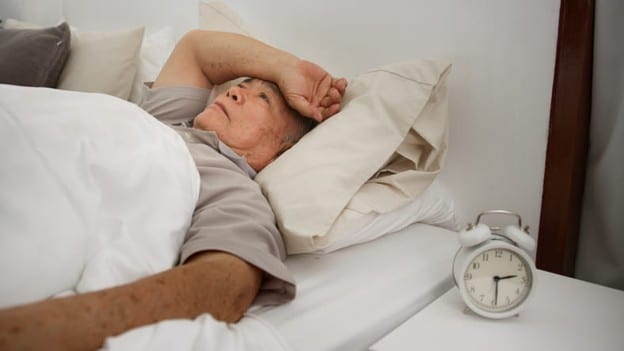
As people age, they’re more likely to develop chronic health issues. Excessive sleepiness may be a sign of one of these medical conditions or may increase the risk of developing a serious health issue.
Understanding the causes of excessive sleepiness and the signs that it requires medical intervention can help ensure your older loved one or the older adults you work with stay healthy and enjoy the best quality of life throughout their golden years.
Why Do Older Adults Sleep So Much?
Wondering why elderly people sleep so much? There are multiple potential causes, including the following:
- Anxiety
- Boredom
- Cognitive decline
- Depression
- Infections
- Loneliness
- Medical treatment
- Nutritional deficits
- Poor sleep/sleep disorders
Root Causes Of Excessive Sleepiness In Older Adults
The root causes include:
- Chronic health issues: Short-term health issues, such as infections, and chronic conditions, such as arthritis, can interfere with a person’s ability to sleep, leaving them sleepy throughout the day.
- Environmental factors: The amount of exposure to sunlight and when it occurs impacts sleep patterns. Older adults often experience reduced exposure to sunlight because mobility issues keep them from spending time outside or because excessive heat poses the risk of dehydration and heat stroke. Other environmental factors may include noisy neighbors or living near a busy street.
- Medication: Some medications cause fatigue.
- Mental health: Anxiety, depression, and grief can interfere with a person’s ability to get enough sleep or cause sleepiness and fatigue during the day.
- Physical factors: Physical factors, such as hormonal changes, can impact sleep patterns.
Signs Excessive Sleepiness Requires Medical Attention
An older adult may need medical attention for excessive sleepiness if they exhibit any of the following symptoms:
- Behavioral:
- Irritability
- Personality changes
- Withdrawal from social activities
- Cognitive:
- Confusion
- Depression
- Inability to focus
- Memory loss
- Physical:
- Decreased mobility
- Inability to complete self-care tasks
- Make choking sounds when asleep
- Sleeping during daytime activities
- Snoring
- Spending a lot more time sleeping
Sleep Disorders That May Affect Older Adults
Sleep disorders that older adults may be affected by include:
- Insomnia: People with insomnia struggle with one or more symptoms. For some, it’s difficult to fall asleep at night. Others may wake up frequently and be unable to remain asleep. Others wake early and are unable to fall back asleep. All these symptoms interfere with a person’s ability to get enough rest, leading to excessive daytime sleepiness.
- Narcolepsy: People with narcolepsy suffer from sleep cycle issues and may abruptly fall asleep or struggle with excessive sleepiness throughout the day.
- Restless leg syndrome (RLS): People with RLS feel compelled to move their legs. Symptoms typically worsen in the evening and emerge when people are sitting or lying down. RLS can cause symptoms similar to those caused by insomnia. People with RLS may struggle to fall asleep or stay asleep.
- Sleep apnea: Sleep apnea interferes with the amount of oxygen you get when sleeping because it causes you to stop breathing for periods during your sleep cycle.
How Skilled Nursing Care Helps With Excessive Sleepiness
Older adults benefit from skilled nursing support when adjusting to health issues or dealing with injuries.
Skilled nursing facilities (SNFs) employ doctors and nurses who monitor residents and establish treatment goals. These medical professionals can help with excessive sleepiness by reviewing medications and determining whether an underlying health issue is causing it.
SNFs also employ dietitians who develop meal plans to ensure residents receive adequate nutrients, which can help resolve or prevent excessive sleepiness in some cases.
Additionally, staff can monitor residents for signs of issues, such as unsteady gait, which can be caused by excessive sleepiness. Staff will assist those with mobility issues to help prevent them from falling, which can lead to serious injuries.
How Monument Health Supports Sleep Health
The value of being a Monument Health patient includes:
- Open communication with families.
- Personalized care, including nutritional support and rehabilitative therapy.
- Around-the-clock access to medical professionals.
- Around-the-clock support from skilled nursing professionals.
At Monument Health, we provide medical, physical, and emotional support to residents and strive to deliver optimal care for all their needs.