What Is Post-Traumatic Injury Rehabilitation?
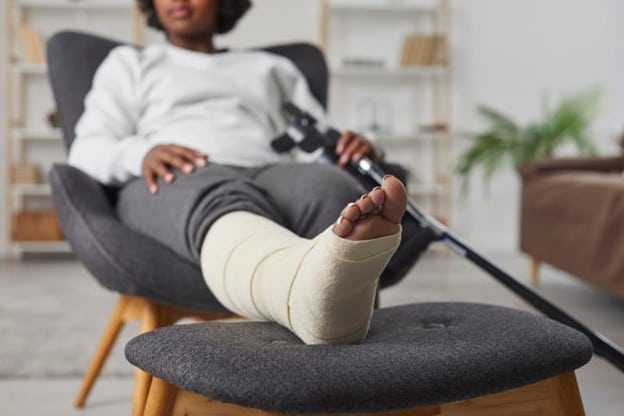
A traumatic injury is any injury sustained during a violent or dangerous accident. These injuries often happen during a car crash, sports accidents, and especially for the elderly, during falls. Any part of the body can suffer a traumatic injury, but the bones, brain, and circulatory system are often affected.
An important part of healing from traumatic injuries is rehabilitation. Without rehabilitation, the body may heal more slowly, may heal incorrectly, or the activities of daily living may become intolerably difficult.
Rehabilitation allows patients with traumatic injuries to regain strength, balance, coordination, and many more functional capabilities that improve quality of life and get you back on your feet as quickly as possible. Monument Health offers speech, physical, and occupational therapy as part of our many skilled nursing facilities across the state.
What Is Post-Traumatic Injury Rehabilitation?
In a skilled nursing setting, post-traumatic injury rehabilitation consists of one or more therapies to aid in healing of traumatic injuries and improve overall quality of life for those who have suffered these injuries. Post-traumatic injury rehabilitation aims to reduce pain and healing time, while increasing strength, balance, and other positive qualities.
The most common therapies used are physical therapy, speech therapy, and occupational therapy, the latter of which helps to retrain certain skills that may have been lost during injury, such as dressing, cooking, or using the toilet.
Post-traumatic injury rehabilitation often happens in a skilled nursing setting after a stay in the hospital. Patients are generally medically stable, and the skilled nursing setting acts as a bridge between hospital and home.
What Types Of Therapy May Be Part Of Post-Traumatic Rehabilitation?
There are three main types of therapy available in skilled nursing settings to treat traumatic injuries: speech therapy, physical therapy, and occupational therapy.
- Speech therapy: Speech therapy focuses on retraining skills that have to do with speaking, eating, and using the mouth. This type of therapy can also help with cognitive skills, like memory, and are often an important part of brain injury rehab. It is delivered by a licensed speech language pathologist.
- Physical therapy: Physical therapy focuses on training and retraining the body, in this case, after an injury. It aims to rebuild a range of motion in joints, strength in limbs and muscles, and balance and confidence in the whole body. It is delivered by a licensed physical therapist.
- Occupational therapy: Occupational therapy helps people who have suffered injury or illness to re-learn the tasks of daily living, such as getting dressed, using the toilet, and even skills like getting up out of a chair. Occupational therapists may help patients find new ways of doing daily activities, or re-train old ones. Like speech and physical therapy, occupational therapy is delivered by a listened practitioner.
Each of these types of therapies may be used along or in combination to ensure our patients return home equipped for independent living.
What Types Of Injuries May Require Rehabilitation? How Does Skilled Nursing Support Patients Who Still Have Complex Medical Needs?
Any serious traumatic injury may require rehabilitation.
The most common include:
- Injuries to the brain and spinal column
- Broken bones, especially legs and hips in the elderly
- Injuries from auto accidents, including multiple fractures
- Injuries that affect breathing
- Severe burns
- Amputations
Even injuries that seem uncomplicated at first may require rehabilitation.
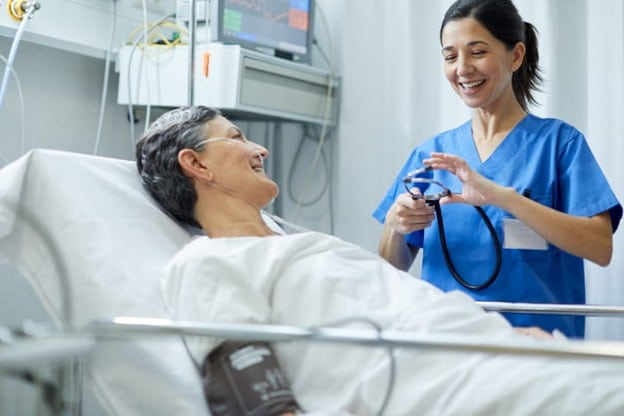
Therapy is only one aspect of skilled nursing. Skilled nursing provides around-the-clock medical care and 24-hour access to nurses overseen by a physician. Unlike other forms of short-term rehabilitation, those in skilled nursing may have complex medical needs in addition to rehab.
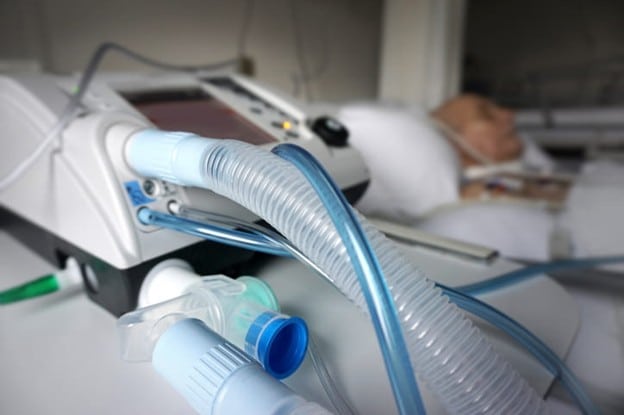
Skilled nursing often cares for patients who need wound care, intravenous medication, stoma and breathing support, and much more. In skilled nursing, patients are often leaving the hospital but are often not quite ready for home.
Why Is An Interdisciplinary Approach Important After A Serious Injury?
At Monument Health, we take an interdisciplinary approach to care, meaning every aspect of your recovery is addressed together rather than as separate issues.
This is particularly important for traumatic injuries because this approach can help catch problems sooner, keep care aligned and on track, and is overall more efficient. Our bodies are exceptionally complex machines, and the full person must be taken into account for full healing.
How Can Monument Health Group Support Patients As They Work Toward Their Next Stage Of Recovery?
In Utah, Monument Health is always here for you and your family. We offer expert therapy, individualized care, and multiple locations across the state to serve you and your loved ones.
Call today to see how we can help you and your family.