Hyponatremia: How Low Sodium Levels Affect The Elderly And How To Maintain Healthy Sodium Levels
The sodium levels in your blood can have a significant impact on your health. This is a particular concern for older adults because they have a greater risk of suffering from chronic health conditions that can affect sodium levels, such as diabetes and heart disease. When sodium levels get too low, they cause hyponatremia, posing a serious health risk to the elderly.
Understanding what causes low sodium in the elderly can help you take steps to prevent an older loved one from developing hyponatremia. Familiarizing yourself with the symptoms of low sodium levels can also help you intervene to prevent symptoms from worsening.
Hyponatremia: What Is Low Sodium?
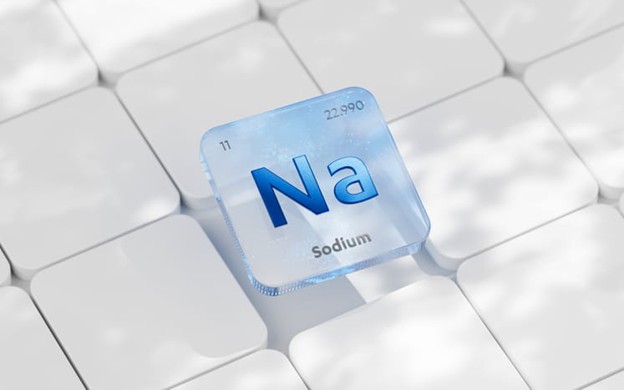
Sodium is a mineral found in your blood. It works with other minerals to create electrolytes that help regulate the water in your body. Cells swell when you don’t have enough sodium, and can cause severe headaches, loss of consciousness, or seizures. In extreme cases, hyponatremia can also be fatal.
To prevent hyponatremia, your blood sodium levels should be no less than 135 milliequivalents per liter.
Causes Of Hyponatremia
Understanding what causes low sodium in the elderly can help you take steps to prevent hyponatremia. Common causes include physiological and external risk factors, including the following:
- Fluid depletion: Excessive vomiting and chronic diarrhea can cause hyponatremia.
- Health conditions: Chronic health problems affect 93% of adults 65 and older. Many health issues can increase the risk of hyponatremia, including the following:
- Addison’s disease
- Adrenal gland insufficiency
- Cirrhosis
- Cushing’s syndrome
- Diabetes insipidus
- Heart failure
- Kidney disease
- Liver disease
- Primary polydipsia
- Heat: Many older adults move south to avoid the cold and snow, but warm climates also pose health challenges. People sweat more in higher temperatures, which lowers their sodium levels.
- Hormone levels: Hormonal imbalances and the syndrome of inappropriate antidiuretic hormone secretion (SIADH) increase the risk of low sodium levels.
- Medications: Medications can cause people to pee or sweat more than usual, leading to fluid depletion and affecting sodium levels.
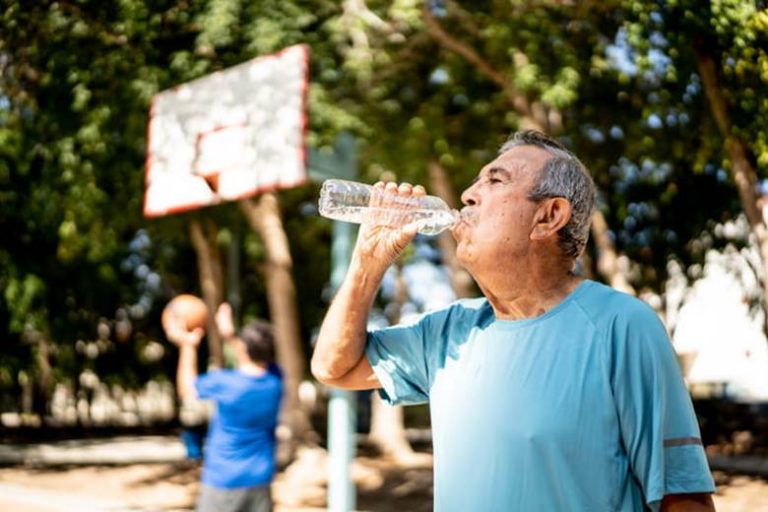
- Physical activity: Staying physically active is good, but excessive activity can lead to fluid loss through sweating. Physical activity also prompts many people to drink more water, which can affect sodium levels.
Other risk factors that can cause low sodium levels in the elderly include:
- Consuming too much alcohol
- Consuming too much water
- Severe burns
- Surgery
- Using amphetamines
Why Low Sodium Levels Are A Serious Health Risk For The Elderly
Some cases of hyponatremia cause minor-to-serious symptoms. However, if hyponatremia isn’t treated, the symptoms can be severe.
Signs And Symptoms
Older adults with hyponatremia may experience the following symptoms:
- Confusion
- Drowsiness
- Fatigue
- Severe headaches
- Vomiting
Symptoms of severe cases of hyponatremia include:
- Brain swelling
- Cognitive impairment, including memory loss
- Falls
- Seizures
A person with a severe case can suffer from brain swelling, slip into a coma, or die from hyponatremia.
Preventing Low Sodium Levels In Seniors
You can reduce the risk of low sodium levels by controlling external risk factors:
- Avoid amphetamine use.
- Avoid excessive physical activity.
- Avoid excessive alcohol and water intake, as they can lower your sodium levels.
- Maintain climate-controlled areas to prevent excessive sweating.
- Provide sports drinks and suitable snacks to restore sodium levels.
Some medications increase the risk of developing hyponatremia. Your doctor can explain what steps to take to prevent hyponatremia.
Steps Skilled Nursing Facilities, Like Monument Health, Take To Prevent Low Sodium Levels in Residents
Monument Health provides expert, skilled nursing care to older adults with health challenges. The teams at Monument Health include licensed and registered medical professionals. Every member of our team works together to create safe, climate-controlled environments to prevent residents from overheating. We also provide appropriate snacks, beverages, and healthy meals to help residents prevent hyponatremia.
At Monument Health, we provide personalized care and monitor each resident for health concerns. Teams communicate promptly and respond swiftly to any symptoms. If a resident develops symptoms of hyponatremia, our doctors may adjust their medications. Our team may also provide a sodium solution through an IV.
How Does Monument Health Support Seniors With Low Sodium Levels?
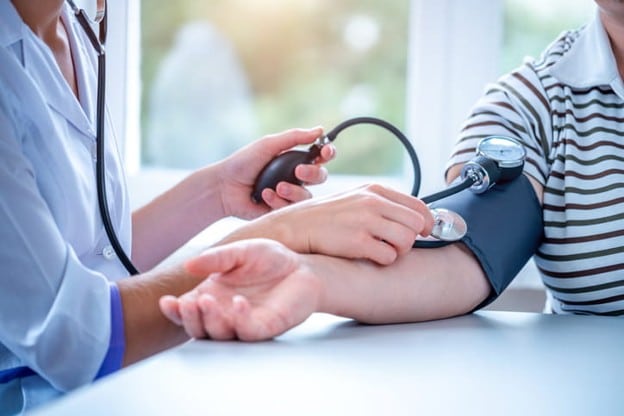
The medical professionals at Monument Health monitor residents’ vital signs and maintain up-to-date charts, ensuring every member of each resident’s medical team is aware of their health status. Teams intervene to change treatments and medications when necessary to prevent hyponatremia or to treat symptoms of low sodium levels.
Ways our team may treat symptoms could include:
- Adjusting a resident’s diet to replenish sodium levels.
- Adjusting the temperature in a resident’s room.
- Providing alternative drinks so the resident doesn’t consume too much water.
- Reducing a resident’s physical activity levels.
Our teams communicate openly with family members and welcome their participation when developing individual treatment plans. Monument Health communicates all health concerns, updates families on changes to treatment plans, and provides information about health conditions and treatments to ensure each resident receives exceptional care.
Benefits For Families
Monument Health provides more than exceptional care for our residents; we provide peace of mind for their families. Family members can be confident that our highly trained professionals will provide the expert medical care their loved one needs.
We also maintain a climate-controlled environment designed to keep residents safe and comfortable. We keep family members informed of any developments to ensure they are active participants in their loved one’s care.
Expert Skilled Nursing Care At Monument Health
Monument Health provides expert care in a safe environment designed to help residents restore their health and prevent additional health issues, such as hyponatremia.