Ventilator Weaning And Rehabilitation: Understanding The Recovery Process
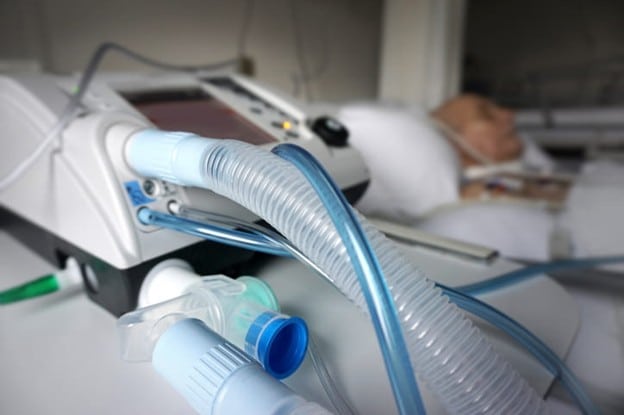
When a person’s ability to get enough oxygen is compromised because of surgery, illness, or injury, mechanical ventilation may be used to provide oxygen while removing carbon dioxide from the lungs.
Those who’ve been on a ventilator will need to be weaned from it once they’re able to breathe without mechanical support.
What Is Ventilator Weaning, And Why Can The Process Take Time?
Ventilator weaning refers to the process of eliminating a person’s dependence on a ventilator. The process is lengthy and accounts for over 40% of total ventilation time.
Muscle weakness is part of the reason ventilator weaning takes time. Weakened respiratory muscles can prevent people from getting enough oxygen on their own, making them rely on the ventilator.
Also, those who’ve received long-term ventilation or needed sedatives or steroids while receiving ventilator support will have more issues with muscle weakness, which will extend the weaning process.
What Happens When A Patient Transitions From The Hospital To Skilled Nursing Care For Ventilator Weaning?
A skilled nursing facility is a care center designed to provide personalized short-term support while residents regain their health and independence. Skilled nursing ventilator care services involve medical oversight from staff doctors, nurses, and respiratory therapists.
Before ventilator weaning can occur, staff will check the patient’s vital signs, along with their oxygen and carbon dioxide levels to ensure they’re ready.
Once the medical team determines a patient is ready, the ventilator can be set to a low setting to begin reducing the patient’s dependence. This means the ventilator provides fewer breaths. When the ventilator does less work, it encourages the patient’s muscles to function.
Respiratory therapists also use exercises to help patients strengthen muscles and prepare them for extubation.
Why Do Patients Often Need Rehabilitation In Addition To Respiratory Care?
Respiratory care involves keeping the airway open and supporting lung functions, but rehabilitation goes beyond focusing on the airway and lungs.
Rehabilitation helps patients rebuild muscle strength and gradually increase stamina. Rehabilitation is also a customized treatment that helps individuals regain their ability to perform routine activities, which boosts confidence by restoring independence.
Patients can also benefit from group therapy because it helps prevent social isolation, which can cause mental health challenges, such as anxiety and depression.
How Can Prolonged Ventilation Affect Strength, Endurance, Mobility, And Independence?
Prolonged ventilation causes muscle weakness, reducing strength, and decreasing endurance. Ventilation also involves immobility, which means it isn’t only respiratory muscles that weaken when a person is intubated.
After extubation, patients may have balance issues and difficulty walking. Weakness and an increased risk of falls increase reliance on assistive devices and support staff, which decreases independence.
What Role Do Respiratory Therapists, Nurses, Physicians, And Rehabilitation Therapists Play In The Recovery Process?
Physicians diagnose patients, identify treatment goals, and develop treatment plans. If complications arise, they also make care decisions.
Ventilator care involves around-the-clock nursing oversight. Nurses monitor patients to ensure their vital signs and blood gas levels are stable.
Lastly, respiratory therapists set up ventilators, adjust settings as needed, develop weaning protocols, and perform ventilator care tasks, such as clearing airways and delivering medications.
These medical professionals are all essential parts of a ventilator’s weaning care team.
How Does An Interdisciplinary Approach Help Coordinate Ventilator Management And Rehabilitation?
An interdisciplinary treatment approach involves all medical professionals collaborating to ensure optimal care. Care team meetings allow for open communication, consensus on treatment goals, and awareness of treatment plans.
Interdisciplinary treatment also promotes optimal recovery from ventilator care because every care team member is informed about the treatment that other medical professionals provide.
What Should Families Look For When Choosing A Skilled Nursing Facility For Ventilator-Dependent Patients?
Some things to look for when choosing a skilled nursing facility (SNF) for ventilator care include:
- Emergency plans in place for power outages and other emergencies
- Family involvement with care team meetings
- Licensed, qualified medical professionals on staff
- Around-the-clock care
- Staff provide family education and support
- Up-to-date medical equipment
You can also ensure you’re choosing the best SNF for your loved one by checking state inspection reports, which will alert you to critical facility issues. Select an SNF with good inspection reports.
You should also choose a SNF with clubs and ongoing activities to ensure your loved one has opportunities for social interaction while staying at the SNF.
What Milestones May Indicate Progress Toward Greater Independence?
Signs a patient may be ready to begin ventilator weaning include:
- Stable blood gas levels
- Stable vital signs
- The health issue causing the need for ventilation has been resolved
- Patient starts spontaneously breathing or passes a Spontaneous Breathing Trial (SBT)
Once the respiratory therapist determines a patient is ready for ventilator weaning, they’ll gradually reduce the ventilator settings, reducing the patient’s dependence on the machine. If their vital signs and blood gas levels remain stable, it’s a sign that the patient is ready to continue the weaning process.
How Can Specialized Respiratory And Rehabilitation Services At Monument Health Group Support A Patient’s Recovery Goals?
Monument Health’s ventilator care team includes highly trained professionals with extensive experience providing expert respiratory and rehabilitation care. At Monument Health, our team encourages family members to attend meetings, so they can contribute when establishing recovery goals for their loved ones.
Our team will explain the diagnosis and treatments, ensuring patients’ family members understand the nature of their health issues and the treatment they’re receiving. Our team also determines what exercises and treatments can help each patient prepare for ventilator weaning and recovery after extubation.