Understanding Hospital Deconditioning And The Rehabilitation Process
People are hospitalized because they need medical care for a serious health issue. However, being hospitalized can cause additional health issues, and patients may struggle with the effects of hospital-associated deconditioning after they’re discharged.
What Is Hospital Deconditioning?
In sports, conditioning refers to training to be physically and mentally fit and have the stamina required to perform. Deconditioning is the opposite, referring to decreased fitness and stamina.
People who stay in the hospital for short- or long-term care can suffer from mental and physical deconditioning. It means that, due to their hospitalization, they can no longer care for themselves. An example would be prolonged bed rest can cause people to have mobility issues and suffer from muscle weakness.
Individuals with a physical deconditioning diagnosis after hospitalization will need support to complete routine activities and prevent mobility-related injuries.
Why Can Even A Relatively Short Hospital Stay Lead To Weakness And Loss Of Function?
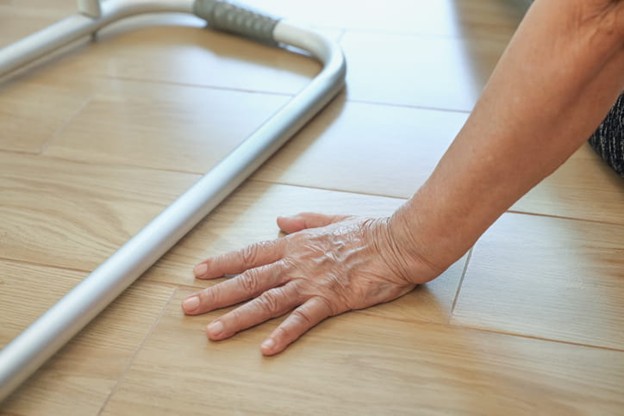
People start losing muscle mass after just one day of disuse. As muscle declines, people can be weak and have difficulty balancing and walking, increasing the risk of falls.
During even a short hospital stay, patients are often immobile and cared for by medical staff. Since they’re kept still and can’t use their muscles, they can experience rapid muscle atrophy.
Isolation can also impact patients, contributing to an increased risk of post-hospitalization disability.
What Physical And Functional Changes Might You Notice After Hospitalization?
Older adults suffering from physical deconditioning after a hospital treatment may struggle to perform activities of daily living (ADLs), such as:
- Bathing
- Dressing
- Eating
- Grooming
Other symptoms may include:
- Difficulty balancing
- Fatigue
- Mobility issues
- Stiffness
You may also notice cognitive and mental health issues. Individuals with hospital-associated deconditioning may struggle with anxiety, confusion, and depression.
Why Are Older Adults and Medically Complex Patients Particularly Vulnerable?
Older adults and medically complex patients are more likely to be frail due to other health issues, which makes them more likely to be immobile, contributing to muscle wasting. Their health and age-related mobility issues may also interfere with their ability to regain muscle, making it harder for them to prevent deconditioning and slowing their recovery after hospitalization.
Why Isn’t Being Medically Stable Always The Same As Being Ready To Go Home?
A person is medically stable when they no longer need continuous medical care. Once a patient no longer needs around-the-clock care, it would be ideal to discharge them; however, many patients are not ready to go home when they’re medically stable because they may be too weak to care for themselves. They may also be struggling with confusion and mental fog, making it easy for them to forget to take medications and care for themselves.
What Does The Rehabilitation Process Look Like After Hospital Discharge?
Rehabilitation refers to restoring someone’s health. Rehabilitation after hospital discharge may include skilled nursing or in-home care. Whether an older adult suffering from post-hospital weakness goes to a skilled nursing facility (SNF) or receives care at home, their rehabilitation may include:
How Can Physical, Occupational, And Other Therapies Help Patients Regain Independence?
Different therapists work with individuals to help them regain muscle strength, improve coordination, and perform routine tasks, while reducing the risk of injury.
People struggling to perform ADLs benefit from occupational therapy because occupational therapists use exercises to rebuild hand muscle strength and coordination, so individuals can do things such as fasten buttons and use a toothbrush. Occupational therapists may also teach people to use assistive devices.
During physical therapy sessions, physical therapists use exercises, hot and cold therapy, and other treatments to help people improve balance, manage pain, increase mobility, and increase range of motion, while reducing their risk of falling. They also teach people to use assistive devices.
Speech therapists help people regain speech after health issues, such as a stroke. They also treat people with dysphagia.
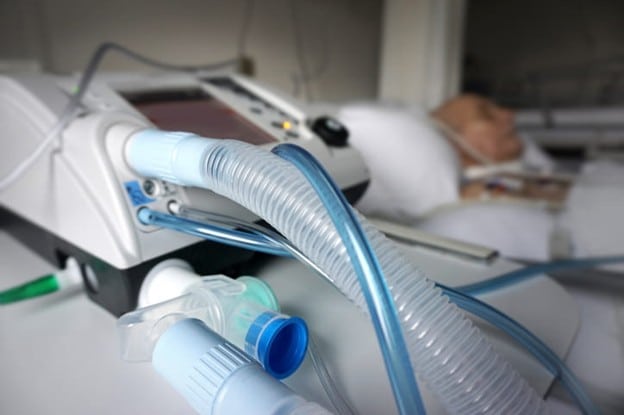
Lastly, individuals may need respiratory therapy if they are on a ventilator. Respiratory therapists help individuals restore their lung capacity after hospitalization.
What Role Does Skilled Nursing Play Alongside Rehabilitation?
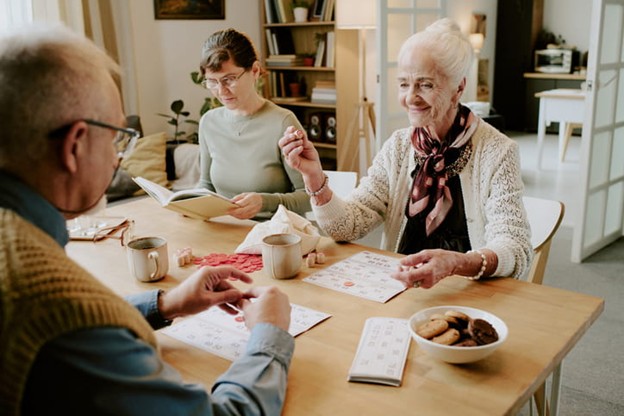
Skilled nursing is an excellent option for post-hospital care because it provides medical oversight and the therapies each resident needs to reach their recovery goals. SNFs also provide social activities. Residents can join clubs, interact with others during games and parties, and may enjoy visits from therapy dogs.
The opportunities to stay socially active and pursue interests also help prevent social isolation and related issues, such as anxiety and depression.
What Signs May Indicate That Additional Skilled Rehabilitation Is Needed Before Returning Home?
Patients struggling with mobility issues, such as dizziness or difficulty balancing, will need extra care. Watch for their ability to transfer from a bed to a standing position or from a chair to a walker. If they can’t transfer safely without assistance, they will benefit from physical therapy.
Confusion and difficulty managing routine tasks, like zipping zippers, are also signs someone needs rehabilitation after hospitalization.
How Does Monument Health Group Create A Coordinated Environment For Medical Care And Rehabilitation?
Monument Health’s care team evaluates new residents and creates individualized treatment plans to help each resident achieve their recovery goals.
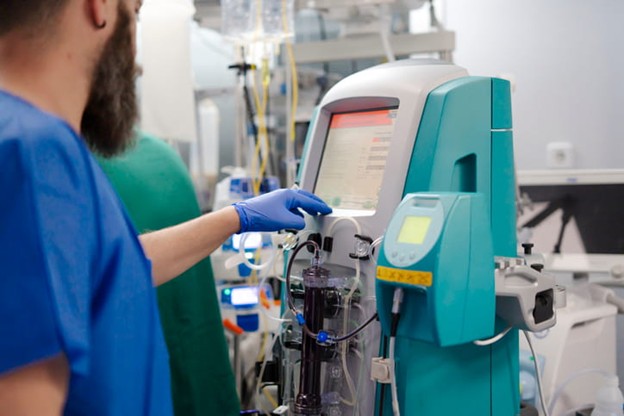
Expert occupational, physical, and speech therapists develop treatment plans for each resident, and our team includes medical professionals experienced in ventilator care, onsite dialysis, and post-traumatic injury care.
We also provide social activities and encourage residents to join clubs and participate in social events to help prevent cognitive and mental health challenges.
Lastly, we encourage family members to attend care team meetings and participate in their loved one’s treatment.