What Is LVAD Care And Why Might Skilled Nursing Support Be Needed?
As of 2024, there were 6.7 million American adults with heart failure. This means their heart can’t pump enough blood, so it can’t deliver enough oxygenated blood to their brain, organs, and cells. Heart failure is unfortunately very common; your odds of developing heart failure are one in four.
That said, some people with heart failure will need a left ventricular assist device (LVAD) to distribute the oxygenated blood the body needs.
What Is An LVAD And What Does It Do?
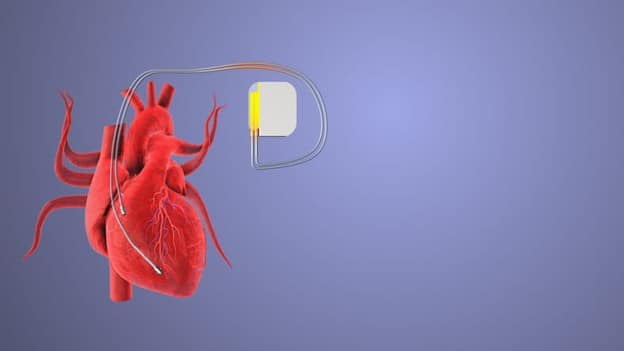
An LVAD is a device that helps the heart function. It’s a mechanical device designed to support the heart’s left ventricle, helping it pump oxygenated blood through the aortic valve. From there, the blood enters the aorta and is distributed throughout the body.
If a person’s heart can’t pump enough blood, symptoms they may experience include:
- Difficulty walking, especially up stairs
- Excessive coughing
- Fatigue
- Shortness of breath
While it’s possible for some to manage heart failure with medication and lifestyle changes, some people need an LVAD to get enough oxygenated blood distributed to their body.
Also, in some cases, an LVAD is a temporary intervention. In these cases, the heart regains the ability to pump enough blood. Other people need an LVAD until they receive a heart transplant. Or some need an LVAD for the rest of their lives.
Why Does LVAD Care Require Specialized Knowledge?
An LVAD affects your heart’s functions. After LVAD surgery, you need expert device support and monitoring. Although an LVAD is necessary for some with heart failure to survive, there are risks, which include:
- Clots
- Damaged blood cells
- Infection
- Internal bleeding
- Stroke
Managing your LVAD can reduce the risk of some of these complications.
While an LVAD typically restores your ability to engage in most activities, there are things a person with an LVAD cannot do, such as swimming or playing contact sports. You may also need medications, such as blood thinners, to help prevent clots.
An LVAD requires specialized care because it’s a complex mechanical device affecting your heart. Batteries power it, and it has external controls. The LVAD must be managed to ensure it functions correctly, which, in turn, ensures your heart functions effectively.
What Types Of Care May Be Needed After Hospitalization?
Patients are put on a ventilator when receiving LVAD surgery. Patients stay in the hospital for several days during recovery. Nurses, respiratory therapists, and doctors check their vital signs and blood gas levels. Once they’re stable, the respiratory therapist ensures they’re weaned off the ventilator.
Nurses and doctors then continue to monitor patients to ensure their LVADs are working correctly. They may spend a week in the intensive care unit (ICU) and an additional week or two in the hospital. During this time, patients learn how to maintain their LVAD and how it functions.
Once patients regain strength and can maintain their LVAD correctly, they’re ready to be discharged.
How Can Skilled Nursing Professionals Support Patients With LVADs?
After LVAD surgery, patients benefit from nursing care as they learn to operate and maintain their LVAD and recover. Older adults may transition from the hospital to skilled nursing care.
Skilled nursing facilities (SNFs) have doctors, nurses, and licensed therapists on staff who monitor residents and provide the medical care they need for optimum health and recovery.
An LVAD has a cable outside the body, and some people may struggle to change dressings at the exit site. At an SNF, nurses can change the dressings to prevent infections. The SNF medical team will also monitor the LVAD to ensure it is functioning correctly and can handle daily and weekly maintenance.
The SNF team also supports LVAD recipients through their recovery by providing the following:
- Dietary support to ensure they get the nutrients they need to be healthy
- Opportunities to engage in activities
- Opportunities for socialization
Some may also receive therapy. SNFs, such as Monument Health, offer occupational, physical, and speech therapy.
What Role Can Rehabilitation Play In Recovery?
Occupational and physical therapists use exercises in treatment, and those with an LVAD benefit by regaining strength through customized exercise routines that help restore their ability to perform self-care tasks, maintain balance, and move with a reduced risk of falling.
Since hospital-associated deconditioning affects those who’ve been hospitalized, patients often need physical therapy for several weeks to restore mobility.
How Can Skilled Nursing Help Families Feel More Confident During A Transition In Care?
SNFs create care teams for each resident. The care team consists of doctors, nurses, therapists, social workers, and case managers. Care teams also invite family members to attend meetings and contribute as part of the care team.
When family members join the care team, they can provide valuable insights into the residents’ needs, wants, and interests.
Professional care team members can also answer family members’ questions and explain how they can support their loved one’s recovery. This information helps family members feel confident supporting their loved one during the transition to an SNF or when preparing for discharge.
What Should Patients And Families Look For When Choosing A Skilled Nursing Provider?
Tour the skilled nursing facility you’re considering and assess its cleanliness, safety, and atmosphere. Are the residents engaged and happy? Also, ask about the staff-to-resident ratio.
State and federal (Medicare) websites provide information on complaints, inspection reports, and licensing, so you can be confident you’re choosing a licensed facility that has passed inspection.
When you choose Monument Health, you’re choosing an SNF committed to restoring each resident’s quality of life, while providing them with expert medical and personal care during their recovery. Learn more about us and our services today.