Pneumonia in the Elderly: Symptoms, Causes, Treatment & Prevention
Pneumonia in elderly patients is often serious and even life-threatening. Pneumonia is a lung infection that can be caused by or develop alongside other illnesses and conditions. As the body’s immune system weakens with age, seniors are at greater risk for pneumonia development and complications.
If you or someone you love has a serious condition that may be a risk factor for pneumonia, or need help with chronic pneumonia care, consider skilled nursing at Monument Health. We provide both short and long-term care, as well as post-hospital care.
Why Is Pneumonia More Serious In Seniors?
Pneumonia is more serious in seniors than in younger populations due to the weakened immune systems of the elderly. This makes it easier to contract pneumonia, as well as fight it once contracted.
Because the immune system has a more difficult time fighting the disease, there is also the possibility of additional complications.
This includes:
- Respiratory failure, including death
- Sepsis (a body-wide infection of the blood)
- The worsening of other chronic illnesses
- Hospitalization
It may also be more difficult to spot symptoms in a timely manner in the elderly than in younger patients, leading to delayed diagnosis.
Symptoms Of Pneumonia In Seniors
Symptoms of pneumonia in seniors can vary in seriousness and presentation, depending on the cause of the infection, how long it has progressed, and the age and overall health of the patient. There is also an increased risk of atypical presentation in seniors.
Symptoms can include:
- Persistent cough, often one that is “productive” and produces mucus
- Shortness of breath
- Fever
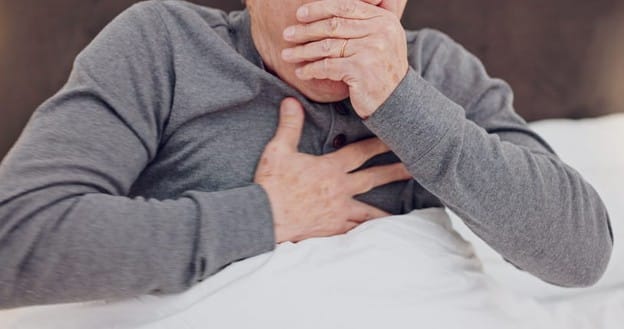
- Chest pain, often when breathing
- Nausea
- Flu-like symptoms
- Confusion or otherwise altered mental states
- Fatigue
If you or your loved one is sick and you suspect they have pneumonia, contact a doctor immediately, as the condition can be life threatening, especially for seniors.
Causes And Risk Factors
Most cases of pneumonia are caused by viruses or bacteria, which cause inflammation and often fluid in the air sacks of the lungs.
Common risk factors include:
- Age (over 65)
- Chronic diseases, especially of the heart or lungs
- Weakened immune systems
- A history of smoking
- Alcohol abuse
- Hospitalization
Certain conditions, such as the flu, COVID-19, and fungal infections can also lead to or contribute to the development of pneumonia.
Treatment Options
Pneumonia is usually diagnosed through a combination of methods, including physical examination. In the elderly, diagnosis often includes a chest X-ray. Your doctor will also usually listen to your lungs with a stethoscope and may take blood tests.
Treatment depends on the type of infection causing the condition. If a bacterial infection is suspected, you may receive antibiotics. If a virus is suspected, you may receive antiviral medications, likewise an antifungal medication for fungal pneumonia.
You will also be ordered to rest. Other symptoms may be managed like the flu, such as with fever reducers and by increasing fluid intake. In severe cases, you may receive oxygen or respiratory therapy.
Recovery timelines vary from person to person, depending on age and general level of health. Some people may feel better in a few weeks; others may take longer.
Prevention Strategies
Preventing pneumonia is always better than treating it.
Seniors can reduce their risk by:
- Staying current on all vaccinations, especially the flu and pneumococcal vaccine.
- Washing their hands regularly.
- Avoiding contact with people who are sick.
- Staying hydrated.
- Stopping smoking and drinking to excess.
- Maintaining a healthy diet.
When Rehabilitation Or Skilled Nursing May Be Beneficial
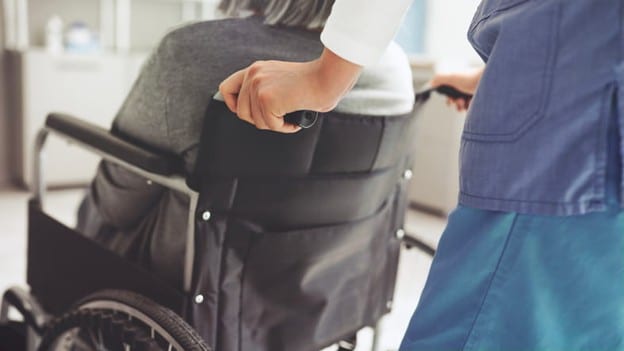
Some seniors experience weakness, balance issues, or difficulty performing the activities of daily living after or during pneumonia. Others may have a form of chronic pneumonia or have a form of pneumonia that requires constant medical care.
In these situations, rehabilitation services and skilled nursing care may be beneficial. High-quality skilled nursing, at facilities like ours at Monument Health, help get seniors back on their feet, regain their strength and health, and restore independence.
If you or someone you love needs skilled nursing in Utah, think Monument Health.