What Adult Children Should Know Before Becoming A Caregiver

Becoming a caregiver to an aging or sick family member can be a rewarding experience, but it is almost always an enormous challenge, emotionally, physically, and financially. Those who are aging or have chronic illnesses often need a level of care that family members struggle to provide on their own.
In short, deciding whether your loved one might be cared for at home by a family member or needs professional support is a large and important decision. By understanding what responsibilities that caregiving entails, the conversations that should happen beforehand, and other issues, you and your family can make a more informed decision.
If it is time for professional help, Monument Health offers a number of premier skilled nursing care facilities across Utah to provide the help your loved ones need, while allowing them to remain close to home. Taking care of aging parents doesn’t have to be a burden, and we can help.
What Responsibilities Do Family Caregivers Typically Have?
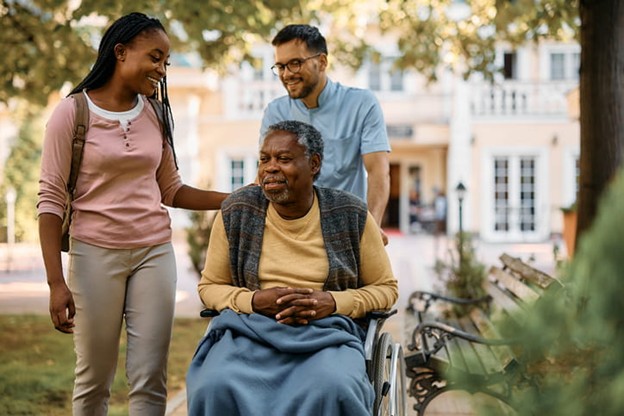
The responsibilities of a family caregiver differ widely, depending on what kind of care your family needs. Some people may only need occasional support with complex financial decisions, occasional meal preparation, and doctors’ appointments, for example. However, some need full-time, around-the-clock care, due to chronic illnesses or advanced age.
Caregivers often assist with the activities of daily living, such as bathing, eating, and toileting. Other common tasks include taking care of medical issues, including doctors’ appointments, medication management, and regular monitoring of health. For both the elderly and the infirm, transportation is often a significant need as well.
For those with more complex needs, especially when those needs are medical, family caregivers often must take on a role of quasi-healthcare provider, including tasks like helping with shots, dressing changes, regular equipment maintenance, and more, in addition to the tasks mentioned above.
Another important note about caregiving responsibilities — these can often change over time, becoming more complex or strenuous as your loved ones’ condition changes.
What Conversations Should Happen Before Caregiving Begins?
Before caregiving begins, you should speak with your loved one, their medical care team, and other members of your family.
Perhaps the most important conversation should be with the care team, who can help you understand the feasibility of caregiving at home, the likely responsibilities, and your loved ones’ medication and medical needs.
You should also speak with your loved one and your extended family about their care. Will responsibilities be shared? Are there financial considerations that should be discussed? What is the backup plan if you become ill or unable to give care in some way? You should always keep the wishes of the one you’re caring for in mind as well.
How Can You Prepare Emotionally And Financially?
Becoming a caregiver can be a significant change in life. You should ensure you are emotionally and financially able to give care before the caregiving starts, as well as have a plan for if you are no longer able to give care. One of the most important things you can do is set realistic expectations.
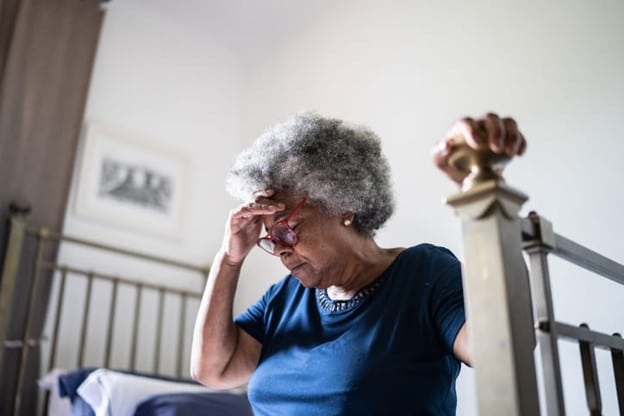
Before caregiving begins, take time to review your loved one’s medical needs and financial resources, as well as your own personal willingness and ability to offer care. During caregiving, you should also watch for caregiver burnout symptoms.
When Should You Consider Skilled Nursing Care?
Skilled nursing care is a good choice for many people when their medical or age-related needs become too great to care for at home. Skilled nursing care is especially beneficial for people who need complex or around-the-clock medical care or if they need rehabilitation after surgery or a stay in the hospital.
Others who may benefit include those who suffer from or are at risk of falls, would benefit from speech, occupational, or physical therapy, and those who need assistance with most of the activities of daily living.
Skilled nursing provides comprehensive care from trained and licensed professionals. This level of care can provide unmatched peace of mind for many families that their loved ones are in the best hands.
For Skilled Nursing Care In Utah, Contact Monument Health Group
Taking responsibility for parents doesn’t have to be a burden. Monument Health can provide the peace of mind your family needs to ensure your loved ones are being taken care of appropriately and compassionately. Our staff is among the best int the business, our facilities are warm and inviting, and our patient-centered approach to care ensures every one of our residents feels at home. Take a facility tour today and understand how our compassionate and knowledgeable staff can ease the burden of caregiving.